Archive for the 'On the road' Category


Immersion

IMG_0597.JPG (2)

IMG_0602.JPG (2)

IMG_0605.JPG (2)

IMG_0607.JPG (2)After checking out the quality of the internet connection by skyping with Axel who was just starting the day (it was excellent) I tumbled into my big comfy king size bed and fell into a bottomless sleep for about 5 hours. This may not seem long but it was at least 3 hours longer than my sleep during the previous 24 hours. I woke up to an empty city which, I learned later, is because life starts late. As the day grew older more and more people and cars and busses appeared until total gridlock at about 6 PM.

We joined our physical therapists trainers in the hotel lobby. They had arrived last week from the Philippines and India and started the basic wheelchair training today. We joined them for the opening and got to sit at the table with high level officials. Maggie gave the speech which she does well and succinctly so everyone can get on with the work.

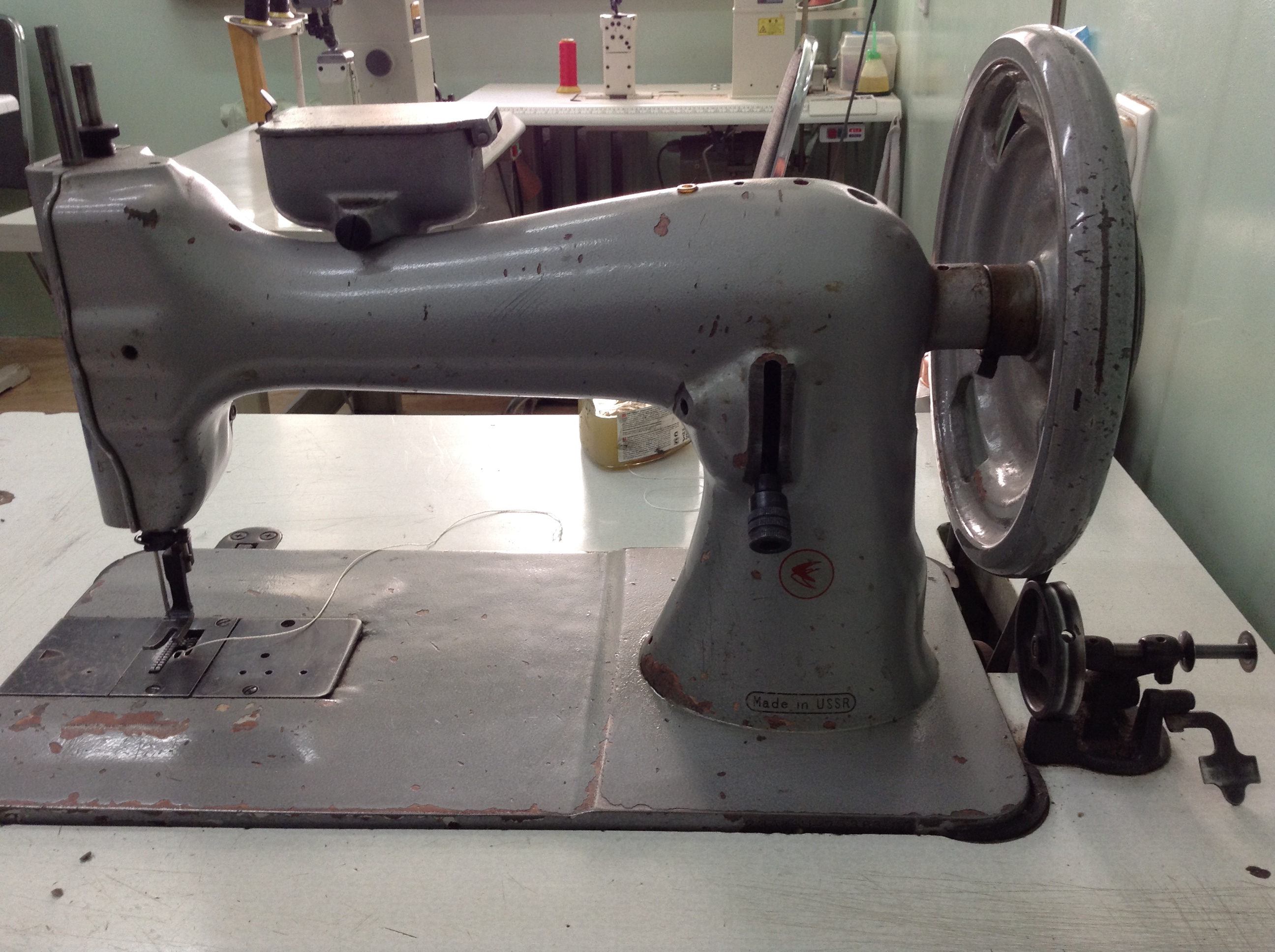
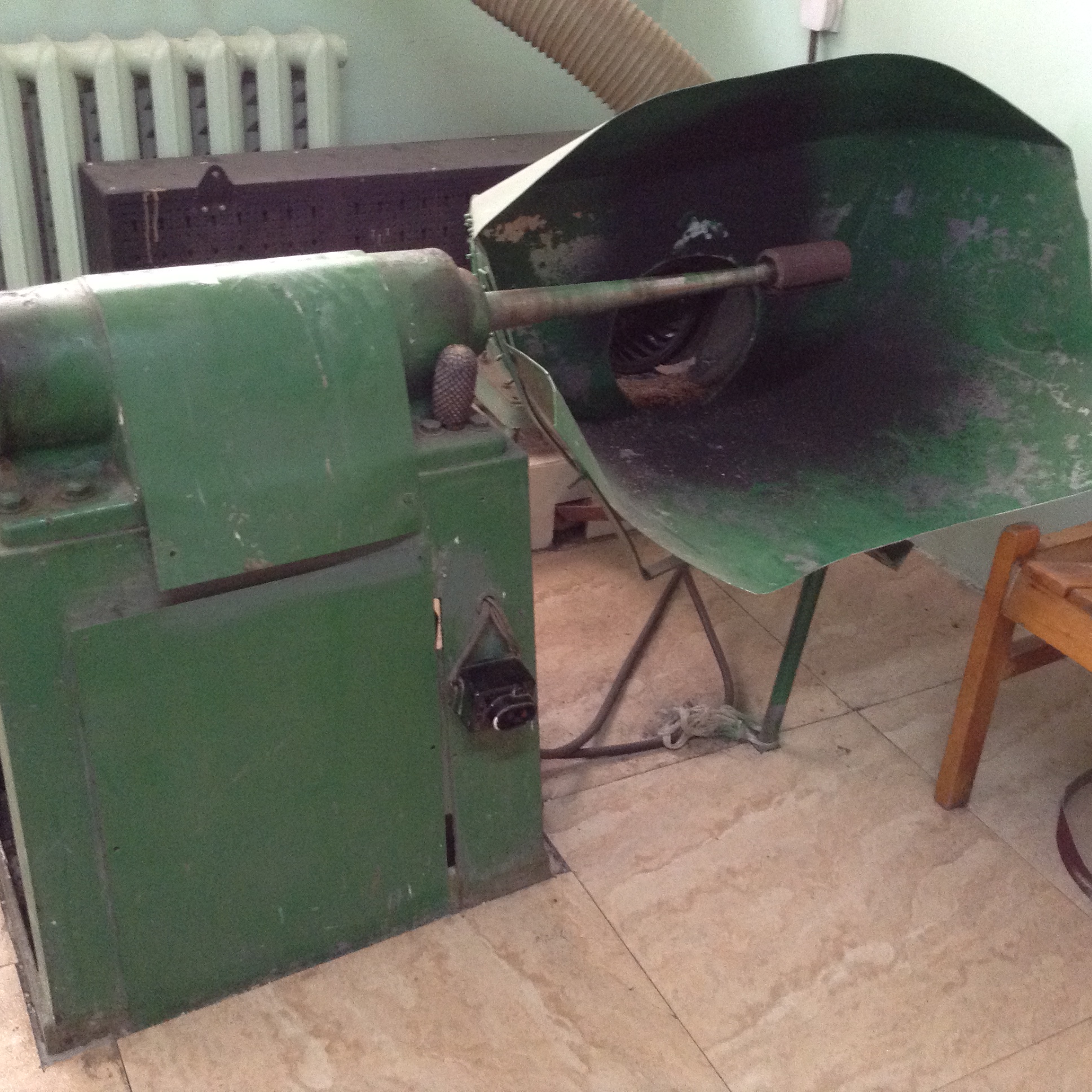
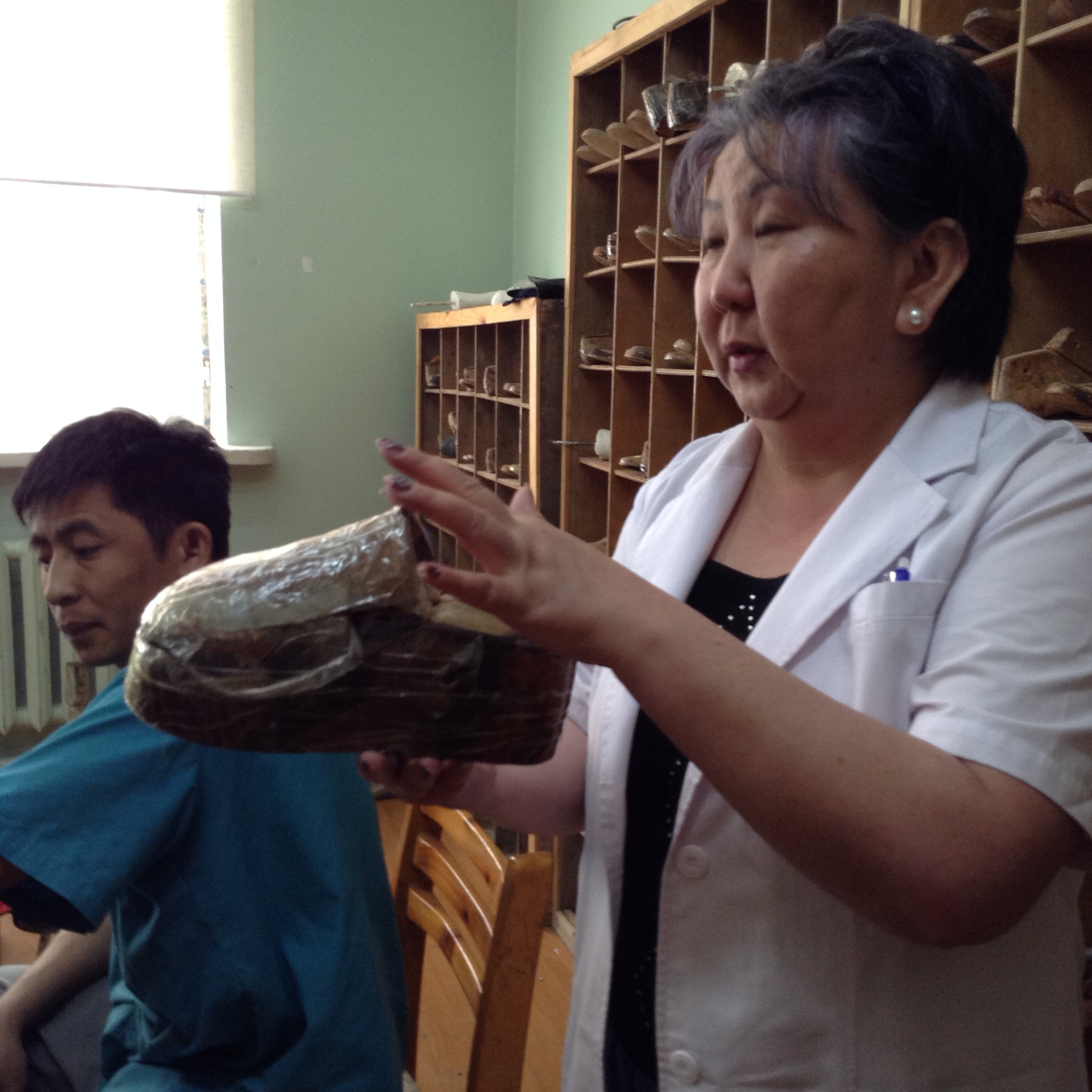
During the morning we received a complete tour of the National Rehabilitation and Development Center which included a 30 bed rehab hospital, full physical, occupational and speech therapy services, a vocational school for people with disabilities, training them in one year to become gainfully employed in a variety of occupations (tailoring, plant care, cooking, computer repair, software applications, and handicrafts). In the afternoon we continued the tour of the orthopedic devices workshops where enormous ‘made in the USSR’ machinery was bolted to the ground. They looked like (and probably were) relics from the industrial revolution.

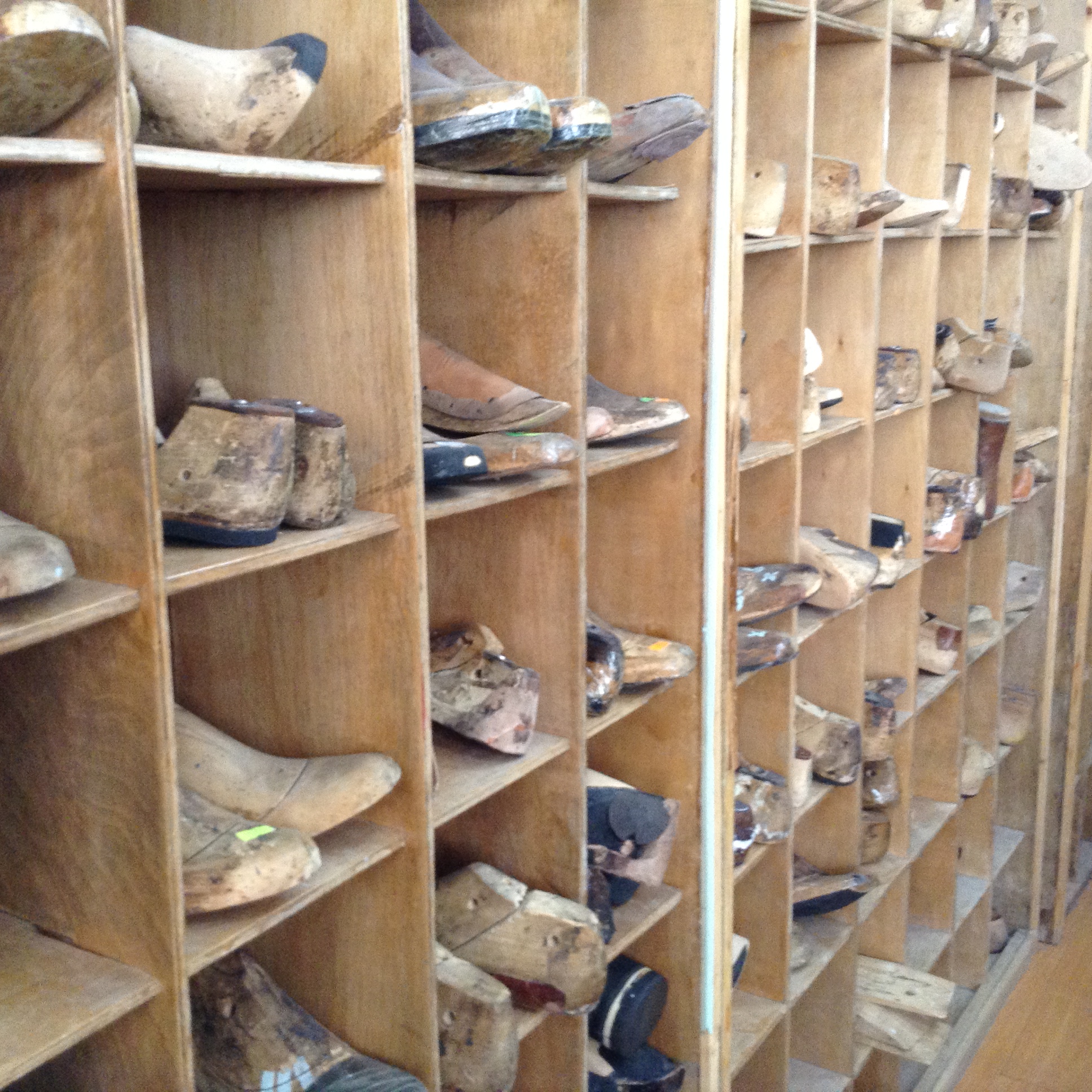
Mongolia has respectively looked to what used to be the USSR, then China, then UK, then USA, depending on the affinities (and university education) of the ruling elite for economic support and technical assistance. The rehab place was born during the USSR period, as was the part of the city where it is located. The lasts in the shoemakers’ workshop looked like antiquities; the hand tools of 50 years ago were still in use. Several of the large machines had broken down and local repair had been exhausted with critical parts no longer available. The mostly older staff had either been learning on the job with a few educated in the USSR. Most are about to retire and recognized that there are no young apprentices ready to take over. The place looked like a good use a few injections of modern technologies, training and young blood.

In the middle of the day Maggie and I were taken to the Channel 1 TV studio for a live broadcast on the ‘Right Now’ actualities program. We sat around a large table in a glass enclosed room in the center of the studio, with microphones clipped to our lapels. The doctor from the rehab hospital was with us and was, to our relief, the focus of the conversation as he had some messages to pass along to the audience. All this was done of course in Mongolian so we had no idea what he said, until suddenly we were questioned about international standards and the translator told us it was our turn. It was all over and done in no time, while I was still wondering whether we were on or just rehearsing the conversation.

It has been a challenge to operate in an environment where we are clueless about what people are saying. We also can’t read the Cyrillic script although my five years of ancient Greek helps a bit for the few letters the two languages have in common. There are only a few people who speak English so we are keeping a translator within arm’s reach.

In the land of Khan

I met up with my colleague Maggie who flew in from Dulles. Last time we flew together to Manila I was in a wheelchair – this time I was on foot like most other travelers and back to normalcy. We joined hundreds of other travelers to Ulaanbaatar (I can now spell the name correctly) in a plane that was bigger than the one who took me from the US to Korea. I can’t help but wonder what everyone is going to do in Mongolia. There were only a handful of people who looked like they came from Europe or the US, no Africans, the rest all from the region, at least originally. I can’t quite figure out what Mongolians look like but will do so today I presume.

The neon signs one sees when entering a city at night are Cyrillic, at least appear so to the untrained eye. Our taxi driver couldn’t tell me more as his English was limited to Hello. So I googled it and found this fascinating story at wikipedia. http://en.wikipedia.org/wiki/Mongolian_script
In the entrance to the hotel the pillars and walls were decorated with traditional script that looked more like vertical Arabic and Kufic. From this you can tell that there has been a lot of galloping in all directions to and from Mongolia.

The large neon sign at the airport welcomes one to the Ghinggis Khaan [sic] International Airport, in script I can read. We name our airports to recent statesmen in the US (Kennedy, Logan, Dulles, Reagan) but here the only true hero seems to be Mr. Khan. As I waited in the lobby for our check in I leaved a tourist brochure to see if we could see anything of this country other than the capital city. There are day tours to Mr. Khan’s legacy tomb, national parks and cultural events showing nomad life. All at considerable costs.

Entrance into the country was easy as pie – no visa required, fast moving lines, free wireless and clean toilets. The women’s bathroom included a tiny pedestal sink decorated with cartoon characters to allow children as small as Faro to wash their hands without being hoisted up by their moms. I have never seen anything like this anywhere in my travels, a public health message aimed at Mongolia’s youngest citizens?

My view from the room reminds me of Russian I last visited 40 years ago when it was still the USSR: large square buildings and empty wide avenues. But right across the street, in a rundown backyard of a medium rise apartment building is a yurt – I am really in Mongolia. The city lies in a shallow bowl surrounded by green hills devoid of trees, probably all hacked up for heating in the winter I suppose, and not replanted. I imagine it can get very cold here, we are very far north.

Connected

IMG_0578

IMG_0580

IMG_0581

IMG_0584

IMG_0587

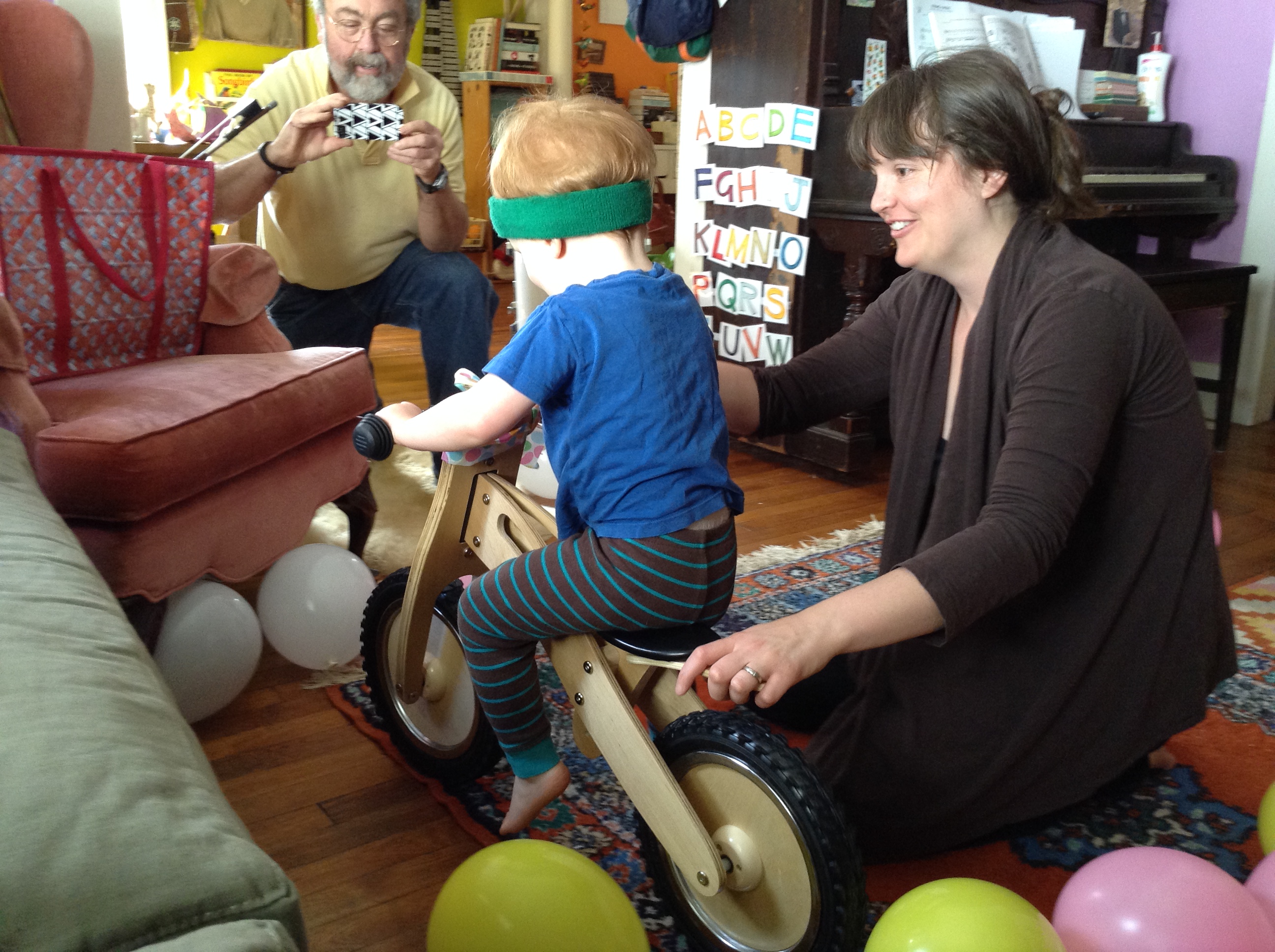
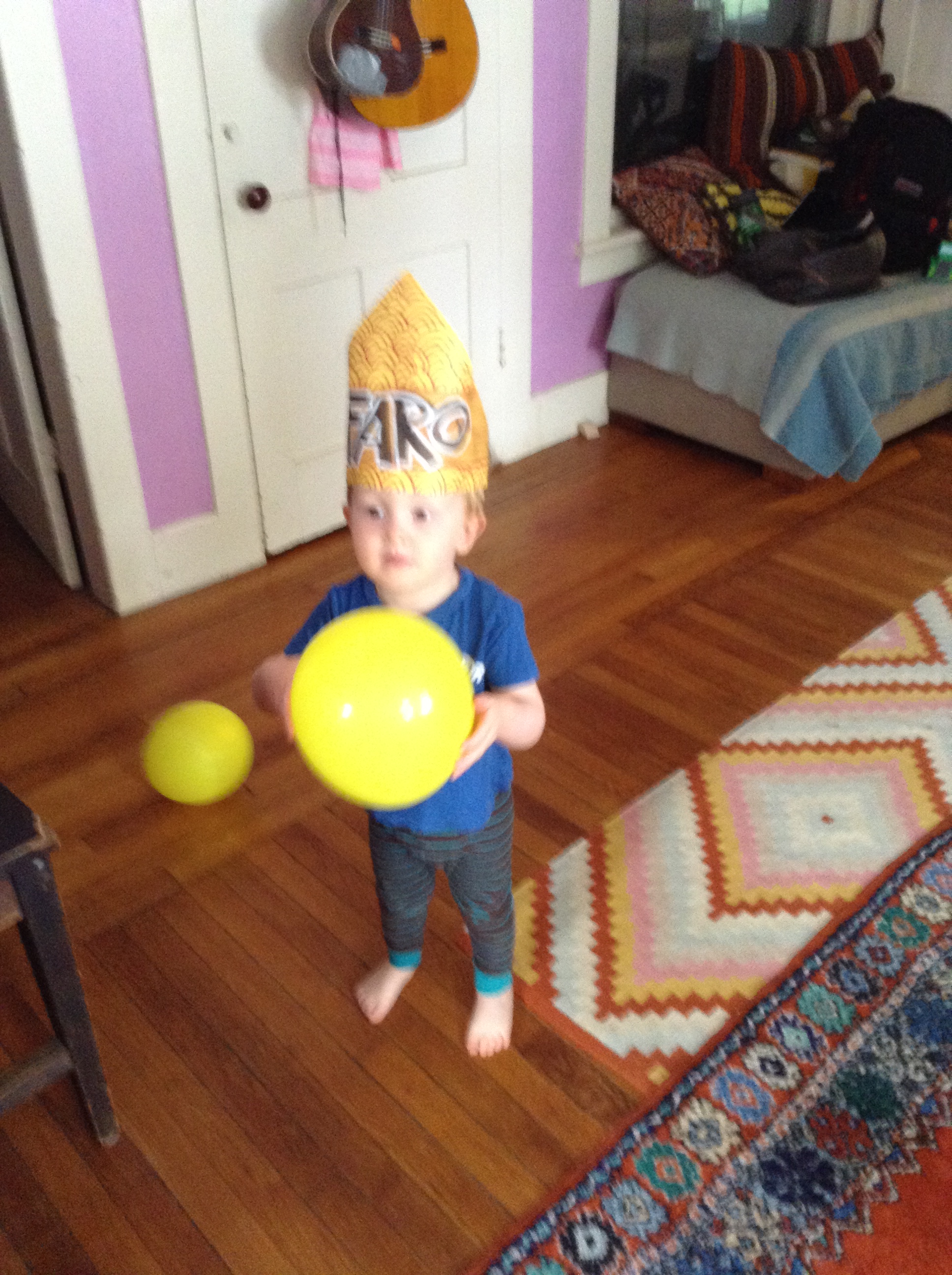
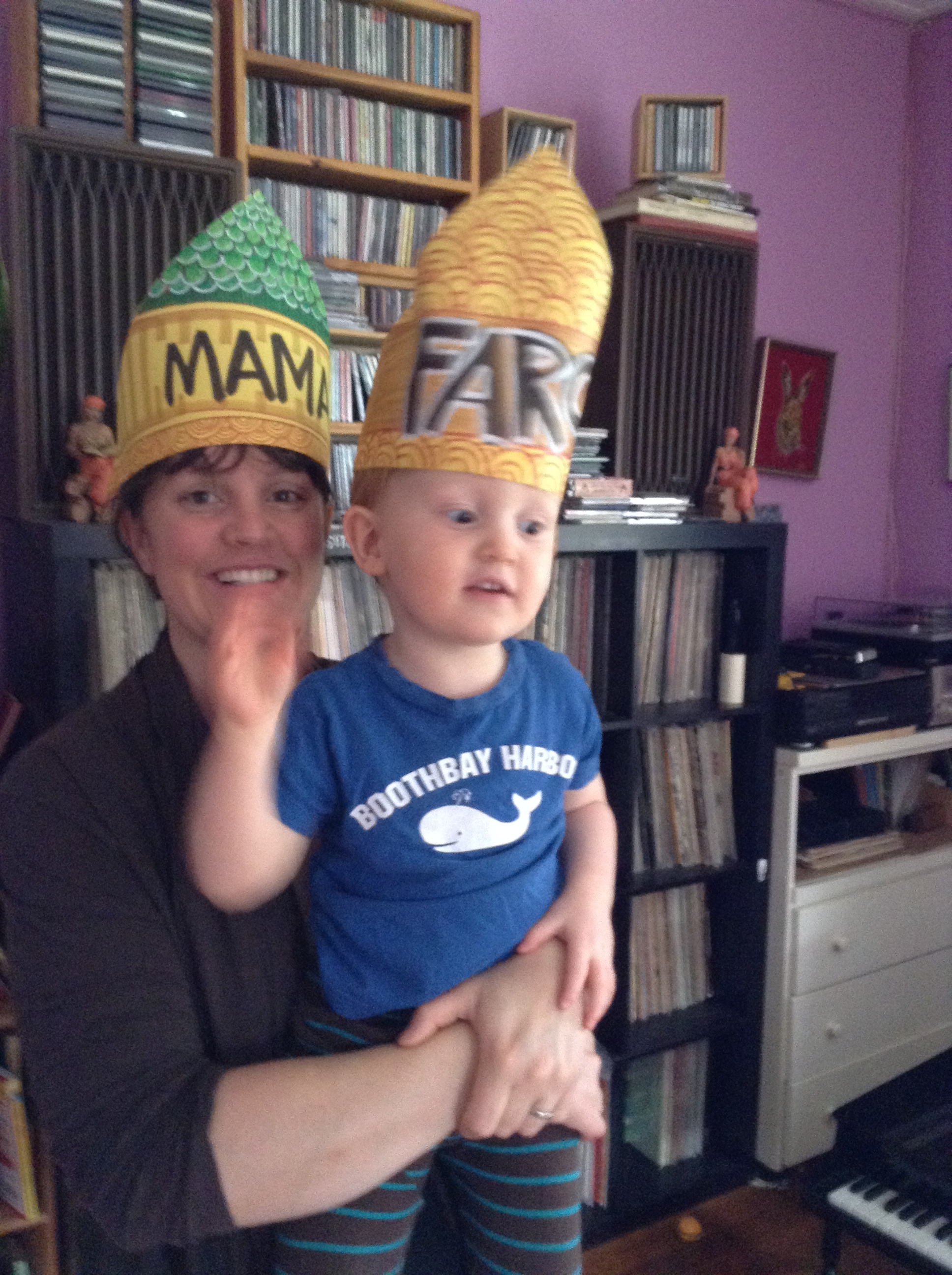
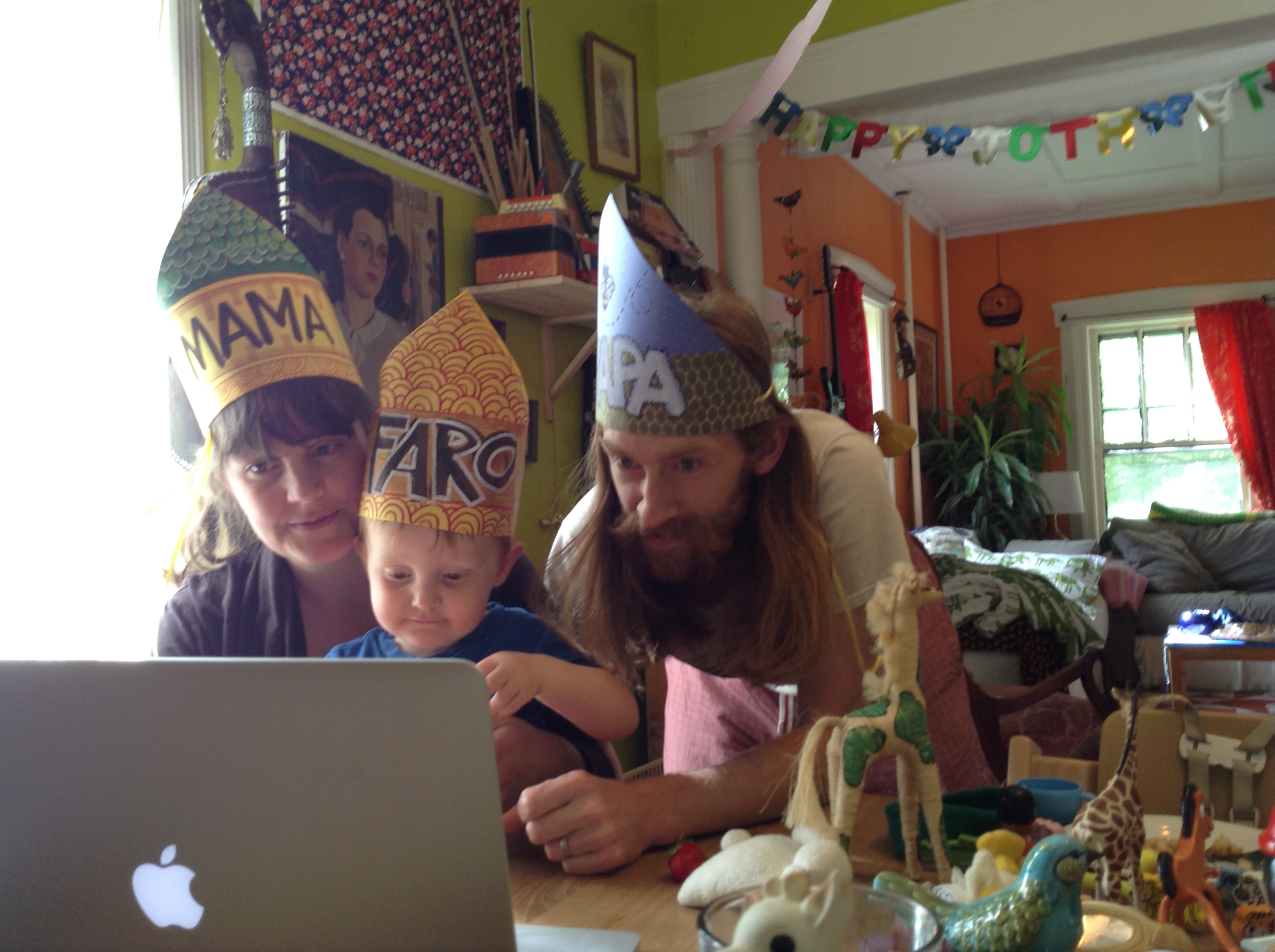
IMG_0591Like last year I congratulated Faro and his parents on his birthday but could not stay for the party the next day due to my travel schedule. Axel represented the Lobster Cove contingent/and Tessa Dorchester.

The tiny bike I had bought Faro was still too big as only one of his feet could reach the ground. He is apparently growing an inch a month so it won`t be long.

The advantage of being there on the birthday proper is that I didn`t have to share him with all the other grandparents, aunts and uncles. Axel and I had him all to ourselves. We played in the garden, took a miniature train ride in Look park and went out for dinner.

My departure was not as leisurely as we had planned. A last minute schedule change of my Delta flight to Korea guaranteed that I would miss my connecting flight to Mongolia. One hour of phone calls later we had to dash off to the airport to catch a much earlier flight to Chicago to connect to a Korean Airliner that would get me to Seoul in time for my connecting flight.

And now I am in Seoul, or Incheon to be precise. I am looking out over the tarmac, recharging myself and my devices. The 19 hours I have spent so far in planes and airports took a bite out of me.

The airport is connected to the world as one would expect in the land of Samsung, but also to its past. A royal procession was marching through the terminal with traditional drum/music coming from a tablet mounted on a little cart. The traditional costumes are both exquisite and strange, making me wonder how they came into being all these years ago. What were the designers thinking? They certainly were not designed for living.

Looking on, behind the travelers, were Charlie Brown and Hello Kitty, each with their own gift shop/cafe. As in Japan, cartoon characters are immensely popular, more popular than in the countries that created these two characters.

Change for a change

For three days I attended a workshop on theories of change. It is nice to be facilitated for once, rather than facilitating. At the end of the first day the facilitator, who had created a series of exercises to encourage divergence, was settled with the task, her design, her choice, to turn all the input into a first draft our a ‘theory of change’ for the big project that has taken me to the four corners of the world – spreading the management, leadership and governance gospel. I was glad that I didn’t have any homework for the evening, the more so because I felt rather lousy.

On Wednesday evening I managed to pull myself out of my lethargy and take the Metro to see my friends Tisna and Fred who live in a lovely old house not far from Dupont Circle. The walk from the Metro station to their house, only 3 blocks, was painless but exhausting. It is good to know that I can walk without pain in my ankle these days; the exhaustion came from being sick or floored by the pollen, I think. Maybe it is also because I have not walked this distance in more than a year.

We caught up on our lives, kids and touched retirement briefly. I wish I could say, like others of my age cohort, that there is an end in sight to fulltime work but so far it is unclear.

The Theory of Change workshop ended on Friday on a high note. I returned home with some clarity about things I can and want to do to carry the results of our reflections forward.

I landed in Boston, picked Axel up at North Station and joined Tessa and Steve at a concert of Zoe Lewis at Club Passim. We met up with friends and other groupies of the virtuoso trip of Zoe, Mark and Ben who delighted us with their music, high energy and great stories. I have heard the stories many times before but I never tire of them.

Across the river and home

We got out of the mud and the next day the facilitators moved expertly to the other side of the proverbial river which we hope to cross in this first workshop. We ended before the appointed time, a good thing, as the closing speeches, the group photo and all the other things that need to be done before you can leave took longer than I had expected.

At 5:30 PM I left with my colleagues for Abidjan. Getting to Abidjan is not that difficult, but once there, dropping each one of us off took a long time. I was finally deposited at my hotel at 8 PM.

I stayed this time at a sister hotel of the Accor group, the Ibis, having vowed never to return to the Novotel. I could see the consequences of a targeted marketing campaign – the hotel was hip and clearly aimed at attracting youngsters who could afford to spend over 100 dollars for a night at a hotel. The colors were bright, orange and red, the furniture French or Italian modern, sleek lines. The average age was about 15 years younger than at the Novotel and there were few potbellied business men. The staff was young and responsive. The internet worked.

I had hoped to relax a bit before my flight back as I was exhausted from my four intense assignments. But that was not to happen. I received an email with the good news that a proposal process I was co-leading back in October and on which I had all bit given up, kicked back into gear. It was good news but bad timing as such things often are.

The flights back were full, as usual. I was able to sleep a bit on the first leg to France. The Paris Boston leg was an early flight which is done in a small-bodied plane, three seats on each side as the bulk of passengers to America appear to arrive later in the day when jumbos are called in. The smaller planes take longer but I was able to pass the time quite easily by watching 8 episodes in a row of Madmen season 6.

Whereas it was windy and cold (10C) in France, it was full summer in Boston. I could stick with my West Africa clothes. We drove to Western Mass where everyone had assembled to celebrate Mother’s Day. It couldn’t have been a nicer homecoming.

Mud

Just as I was wondering whether this would be a trip where I would not encounter the usual ‘getting stuck in the mud,’ experience. Everything, in spite of constant adjustments and adaptations to a different context than the one for which the leadership program was designed, had gone well.

But then we did get stuck in the mud last night; at the same place where people usually get stuck in the mud: articulating a specific measurable result to which the district and regional teams will be (and are willing to be) held accountable 6 to 8 months hence and the notion of an indicator – the two often confused.

The problem usually is that even the facilitators don’t master the material well and the experts in monitoring and evaluation have a tendency to complicate things. In addition, the process of starting at the end is entirely new – the habit is to set a broad goal and then make a list of activities, state what these activities will accomplish (usually based more on opinions or past practice than on evidence and science). This is the plan. It is submitted and then people go back to work.

In our approach it is an iterative process with changes happening each time people learn something more, about their assumptions, about their baseline, about cause-effect relationships. In the usual planning cycles there is no time for this and so we end up with plans that tend to be the same from year to year with very little learning. We hope to change this but change is hard.

Some of the facilitators are getting it and they are my allies. Others are still in the mud. It was warm and sticky as we tried to wade to the other side of the proverbial river; the electricity went out multiple times; we had already worked for 12 hours non-stop and there were many of us with lots of opinions. Fingers crossed as we enter the last day.

Experimental

With about 50 people squeezed into our awkward space, we launched yesterday the usual way – a speech, settling in and questions about ‘the modalities,’ which means ‘how much money are you going to give us for being here and having you train us.’ Over the weekend I read an article about the origins of per diem and payments to the so-called beneficiaries of development projects; if only people had known how this practice would transform ‘opportunity’ into ‘entitlement.’

There are less than a handful of women in the group; and those who are there are there because in our invitations to the districts we insisted they bring teams of 4, 2 men and 2 women. The women tend to be lower in the hierarchy and thus either not available at the management level or not considered for such plum opportunities away from their posts.

My courageous trainees did fabulous, all of them better than yesterday. I know they studied and worked hard to master the material, never mind the facilitation techniques. All of them are introducing methods that are entirely new to the participants. This makes me wonder, once again, what happens in all the other trainings that are taking place all over Africa and which have created such an anti-training sentiment. If after 30 years of doing experimental training based on andragogy, this is still new, I think ‘anti-training’ is entirely justified. The training is not producing its results because it is poorly designed and executed.

The session that made people wonder most, rolling their eyes and remaining firmly implanted in their comfort zones was the one about personal mission and vision. Only a few men and most of the women picked up on it. They participated so enthusiastically that I suspect this is the first time they were taken seriously about something that matters and that isn’t ‘professional.’

The days are long, 14 hours at least for the facilitators. Towards the end of the day the exhausted room’s aircos were not able to manage the body heat of 50 people and sweat dribbled down my face. Yet my training team hung in there and so I did too.

My colleague Rose and I enjoyed our third mango (and beer) party, which has now become a ritual. We relax and talk until it is time for me to prepare the facilitator supports for the next day.

Commitment

We spent all of yesterday with the core team of facilitators – reviewing the program in the morning and then practice sessions followed by feedback in the afternoon. The enthusiasm is quite amazing. It is not often that I work with government officials who arrive early and stay late, making 12 hour days. They are taking on sessions and teaching about concepts that they are still discovering themselves. They will be just a step or so ahead of the participants. One of the two regional directors whose districts will be in the program has entirely cleared his agenda. Both he and another high level official from the central government are fully present all the time.

The room setup is far from ideal. The room is filled to capacity with a huge oval made from gleaming tables that are immovable. The chairs are bulky and there are not enough for the number of participants we expect so we have to put regular chairs in the narrow strip that runs along the center of the oval. The floor is covered with extension cords holding other extension cords holding other extension cord and on and on. I suspect all of this goes into one socket.

Along both sides of the room are theatre chairs, bolted to the floor which, in their up position, leaves some space to pass from back to front, but when filled will not. There are few wall surfaces we can hang things on, even if we remove the giant pictures which reveal scary electrical outlets and dust from centuries. There are many large shiny and tasseled curtains in front of the windows and doors. It is not the most difficult place I have done workshops in but it will be a challenge.

Today will be yet another trust fall although less scary than the previous ones during this trip. Now I know the facilitators and that they are fully engaged. They want to succeed as much as I want them to, maybe even more. This has become their program and they have made promises to the big bosses and so, as one participant said, nous n’avons pas droit d’erreur. For me that is a bit stark, as mistakes are bound to happen, but, globalement, as people love to say here, we are on the right path and there will be results if we continue this way. Of that I am sure.

Customer service

What started as a rather stiff meeting, following all the usual protocol, a near tangible fear to move off the beaten path, made place for a room full of energetic people wanting to show how much they want things to change. This is the predicament here. As one of the participants told me over lunch, we are so used to certain ways, and it is so difficult to break out of it, even if we want to. Indeed, I see this over and over. There is a lot of fear to challenge prevailing norms in the here and now but when we talk about a then or there, everyone is brave.

The intent of our ‘alignment’ meeting today was to create a buzz and get the support of the superiors of what will happen in the two regions where we are launching our leadership program. In a way it was also a test run for the newly formed ministry facilitators. I believe we accomplished everything and may be even more. The facilitators did a dynamite job, pretty much running the show with me doing only the shared vision as I knew that one was a bit too far out of the ordinary.

And then we set of for the interior, a 100 or so kilometers north east of the capital, to the town of Adzope which I can only remember because it sounds like a sleep medicine or an antidepressant.
We are lodged in a small country hotel which, to my surprise, claimed to have wifi (pronounced wee-fee in French), but of course not now. Luckily my dangle works well.

Everyone in the hotel is watching either a Brazilian or a Lebanese soap opera; the Lebanese with many tears coming out of very well made up eyes (no smudges) and the Brazilian seems to be about triangle relationships – all dubbed in French.

The waitress in the hotel made no move towards us when we sat down in the restaurant and kept watching the TV. We asked if we could eat there. She shook her head in the affirmative but didn’t get up. I asked if she was one in charge of the restaurant and she nodded yes again, without letting her eyes wander from the TV. I asked what was for dinner and she listed a few things. My colleague asked for a menu; reluctantly she got up and fetched a one page menu. I asked what was actually available: fish and chicken, peas and potatoes. She sat down again.

My colleague had brought two very large and ripe mangoes. We asked the listless restaurant (manager? Waitress? Cook?) to bring us a plate and a knife. Maybe she was relieved that we simply ate our own mango meal and didn’t ask her to do anything that would take her away from the TV. We decided to stick with our mangoes and consider that our meal. I asked her whether we could have mangoes for breakfast (we are in full mango season and they are everywhere) and she said no, we couldn’t have mangoes for breakfast, resuming her watch. The concept of customer service has not arrived here.

Bored

The weekend was boring, except for a brief interlude on Sunday with a colleague from the Johns Hopkins project who rescued me from the hotel and took me to a nice sandwich place in another part of town.

I swam a little in the pool, read a little, and caught some typos in the documents we need for our work for next week. I also sent the wrong document to my colleague and kicked myself a few times for that after she spent much time on her Saturday off fixing what had already been fixed in another version. I caught up on emails and complied with requests from HR to prepare our annual performance reviews.

I now have a little gadget that plugs into my computer and allows me access the internet wherever I am. It has been a godsend and for the first time in two weeks I can count on being connected. But really, how much time cans I sit in front of a computer, connected or not.

Watching TV has not added to my enjoyment as all channels show the same misery. And so I read (about the 1918 Influenza), do jigsaw puzzles on my iPad and read parts of the New York Times I usually don’t have time for; all this interrupted by meals. It’s very much like a long plane ride.

But tomorrow things will pick up and next week will, no doubt, race by as we go from one event to another requiring much coaching and encouraging of my brand-new team here. They will have to sail onwards on their own after I leave next Saturday.

I checked out the conference room we will occupy tomorrow. The gentleman who showed me the room, and helped me re-arrange the furniture, told me when we were done that he wasn’t sure this would actually be the room we would use. Hmmm. When I tried to get back to my hotel room the elevator refused to take me up and I needed a new room key.

In short, the only thing going for the Novotel is its buffet breakfast. I imagine that once business picks up here (I heard today there are plans to renovate this part of town) they either have to bring in a new management team, drop a few stars or wither away. I am not coming back, not even for the breakfast.


January 2026
M T W T F S S
 1234
567891011
12131415161718
19202122232425
262728293031  

Categories

Blog Stats

  • 137,152 hits

Enter your email address to follow this blog and receive notifications of new posts by email.

Join 76 other subscribers