Archive Page 77

Noodling our way forward

Our main counterpart is a bit like a butterfly. He is also a bit like a New Yorker. The butterfly part refers to his tendency to never sit down anyplace for long and the New Yorker part is about walking very fast. We always seem to chase him. In his building, where the current workshop and the first one next week take place, this means we are walking up and down the stairs a lot. This may well be a good thing because the hotel is connected to a mall with a supermarket where they sell a lot of chocolate and other sweet things. They also sell hard liquor, especially Vodka, which comes in a great variety of brands and qualities. You can tell the Russians were here.

On Tuesday morning we arrived early at the workshop with the two facilitators who are working very hard these days. We didn’t see our counterpart until late in the morning and, without internet connection, there as little else to do than watching the training and the videos. I don’t mind seeing the videos again and again. They are very inspirational and instructive. The majority of the participants are wheelchair users themselves. Many bussed in from the country side and are neither health nor wheelchair professionals. They are sitting in ill-fitting and inappropriate wheelchairs and many have accepted the presence of pressure sores as unavoidable. The concepts of fitting wheelchairs to the users’ needs and the strategies to avoid pressure sores are entirely new for them. Although these concepts were also new to the providers we worked with in the Philippine, it feels like so much more advanced in comparison to what we have here. At least there is a large cadre of health professionals who can be mobilized for the cause – here, the few abled hospital staff had to shut down their services for the duration of the course as there are no others to fill in.

Maggie and my job this week consists of checking on arrangements for next week’s stakeholder meeting. Maggie’s focus is on the administrative and logistical aspects, something she does extremely well and with grace, given that she has been doing this checking for months now, and mine is on content and process. This week our major goal is to get the invitations out of the door and to the right people.

The invitations require an agenda of course. We gave one that was modeled after the Philippines event. At least we know that this design works ; it is the best we can do in the absence of any meaningful talk with key stakeholders which should, ordinarily, shape the agenda. We are making some educated guesses. Tomorrow we will meet with the Secretary of the one of the two key ministries involved in serving people with disabilities here in Mongolia.

We also checked the venue for the stakeholder meeting which will be in a hotel rather than the hospital where the other events are taking place. It is an oversized square of a building that reeks of old Soviet glory and self-importance. To us it felt stiff and unwelcoming. The friendly staff at the reception were given the difficult job to undo that first impression. They did well but the banquet lady was someone you don’t want to tangle with, brusque and no nonsense, uttering short sentences, mostly limited to yes and no. We saw the room, tried for a larger size and round tables, were told no and resigned ourselves to make do, assuming (and secretly hoping) that some of the invitations will come too late and not everyone invited will show up.

The lowest hotel floors are occupied by stores selling winter clothes, nice, and probably expensive, clearly aimed at a clientele that has to put up with poorly heated buildings during the long harsh winter. We did one feeble attempt to locate flipchart paper (the hotel has easels but no paper if we understood the banquet lady correctly) and were pointed to a building across a busy artery. No one spoke English. we pointed at printing paper and indicated large or roll with our hands but the staff looked at us with pity and shook their heads. We poked around in corners hoping to find what we needed to no avail.

Maggie and I parted company in taxis, me to return to the hotel to try an internet (webex) experiment (a workshop on coaching) with my colleagues in Abidjan, Maggie to dispense the per diem to the current workshop participants.

Back at the Ramada I visited the Maxall Mall’s foodcourt which is adjacent to the hotel’s restaurant in the hope to get a sushi take out dinner. Alas, the rice wasn’t cooked and I couldn’t wait. I descended to the basement supermarket to buy a noodle-in-a-cup meal. The selection was very difficult. There were countless variants, occupying nearly an entire aisle. None of the labels were in script I could read (Chinese, Japanese, Korean or Mongolian). I had to base my selection on the pictures on the wrappers – which had little to do with the dried contents. I went for Kimchi flavor but I suspect that they are basically all the same, no matter what the picture promised.

While on my 5 hour conference call I washed away the spicy Kimchi noodles with local beer. It only comes in large sizes and is best drunk very cold, reminding me of Budweiser which is sold here in (also large) bottles and apparently quite popular.
Immersion

IMG_0597.JPG (2)

IMG_0602.JPG (2)

IMG_0605.JPG (2)

IMG_0607.JPG (2)After checking out the quality of the internet connection by skyping with Axel who was just starting the day (it was excellent) I tumbled into my big comfy king size bed and fell into a bottomless sleep for about 5 hours. This may not seem long but it was at least 3 hours longer than my sleep during the previous 24 hours. I woke up to an empty city which, I learned later, is because life starts late. As the day grew older more and more people and cars and busses appeared until total gridlock at about 6 PM.

We joined our physical therapists trainers in the hotel lobby. They had arrived last week from the Philippines and India and started the basic wheelchair training today. We joined them for the opening and got to sit at the table with high level officials. Maggie gave the speech which she does well and succinctly so everyone can get on with the work.

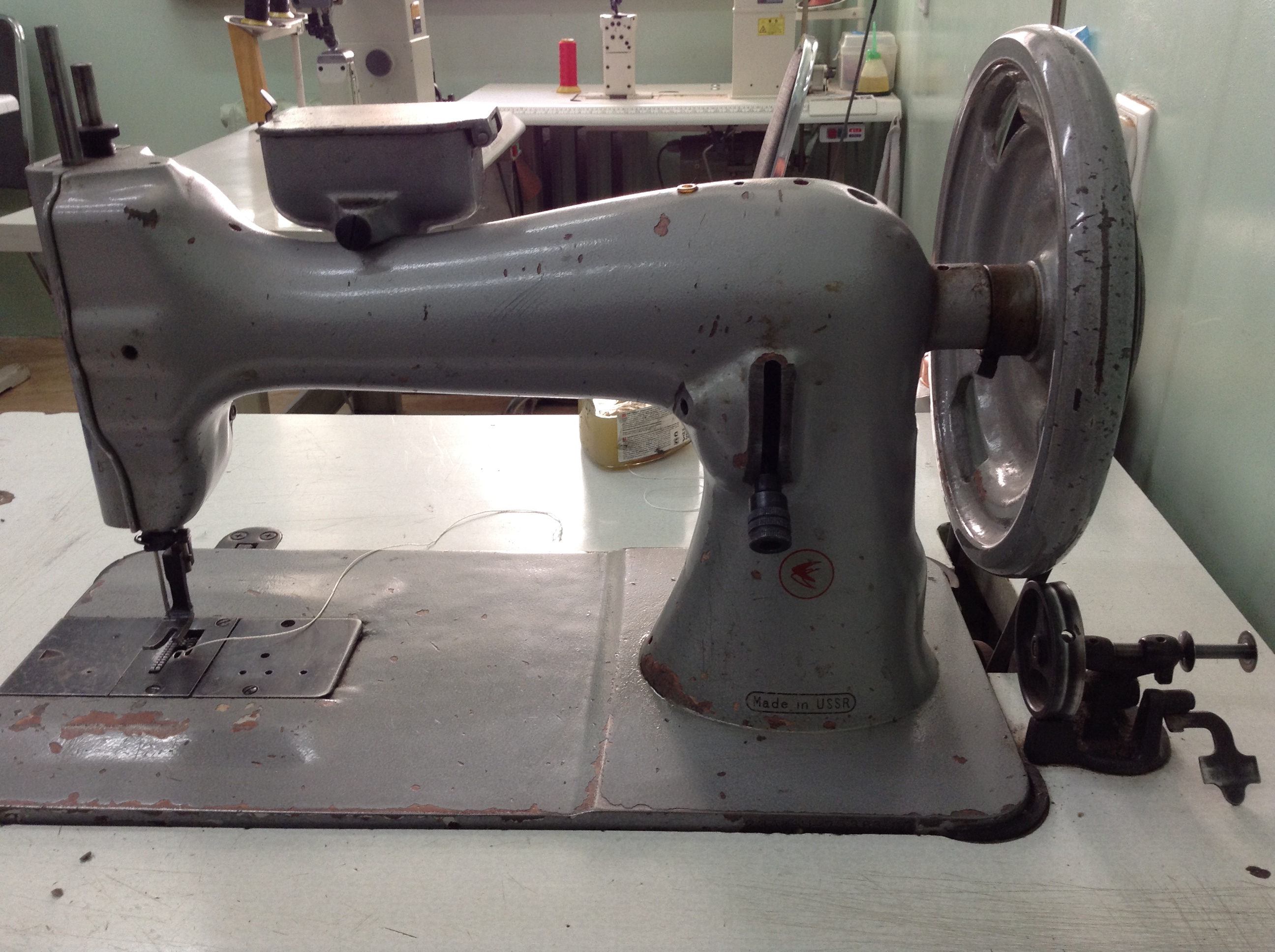
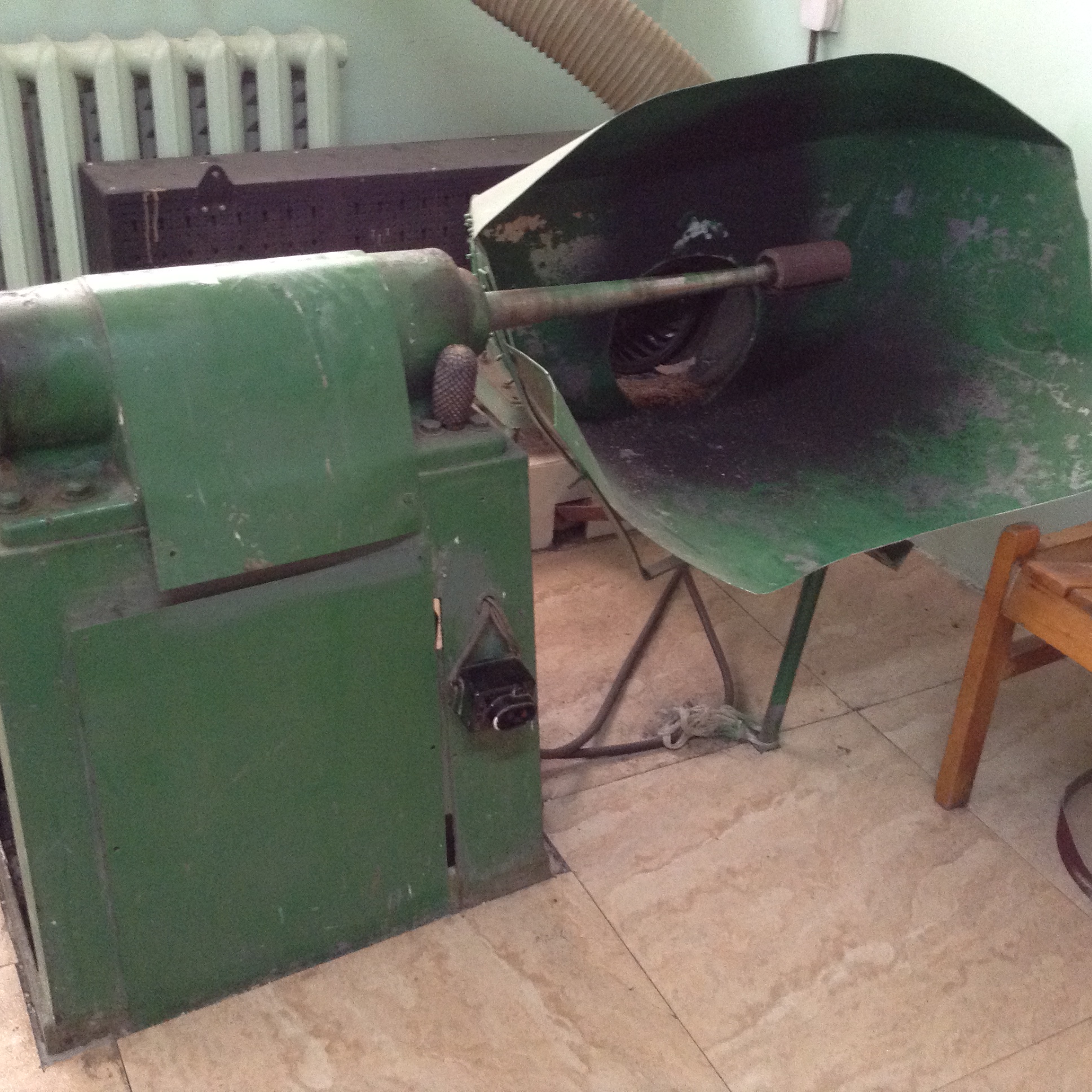
During the morning we received a complete tour of the National Rehabilitation and Development Center which included a 30 bed rehab hospital, full physical, occupational and speech therapy services, a vocational school for people with disabilities, training them in one year to become gainfully employed in a variety of occupations (tailoring, plant care, cooking, computer repair, software applications, and handicrafts). In the afternoon we continued the tour of the orthopedic devices workshops where enormous ‘made in the USSR’ machinery was bolted to the ground. They looked like (and probably were) relics from the industrial revolution.

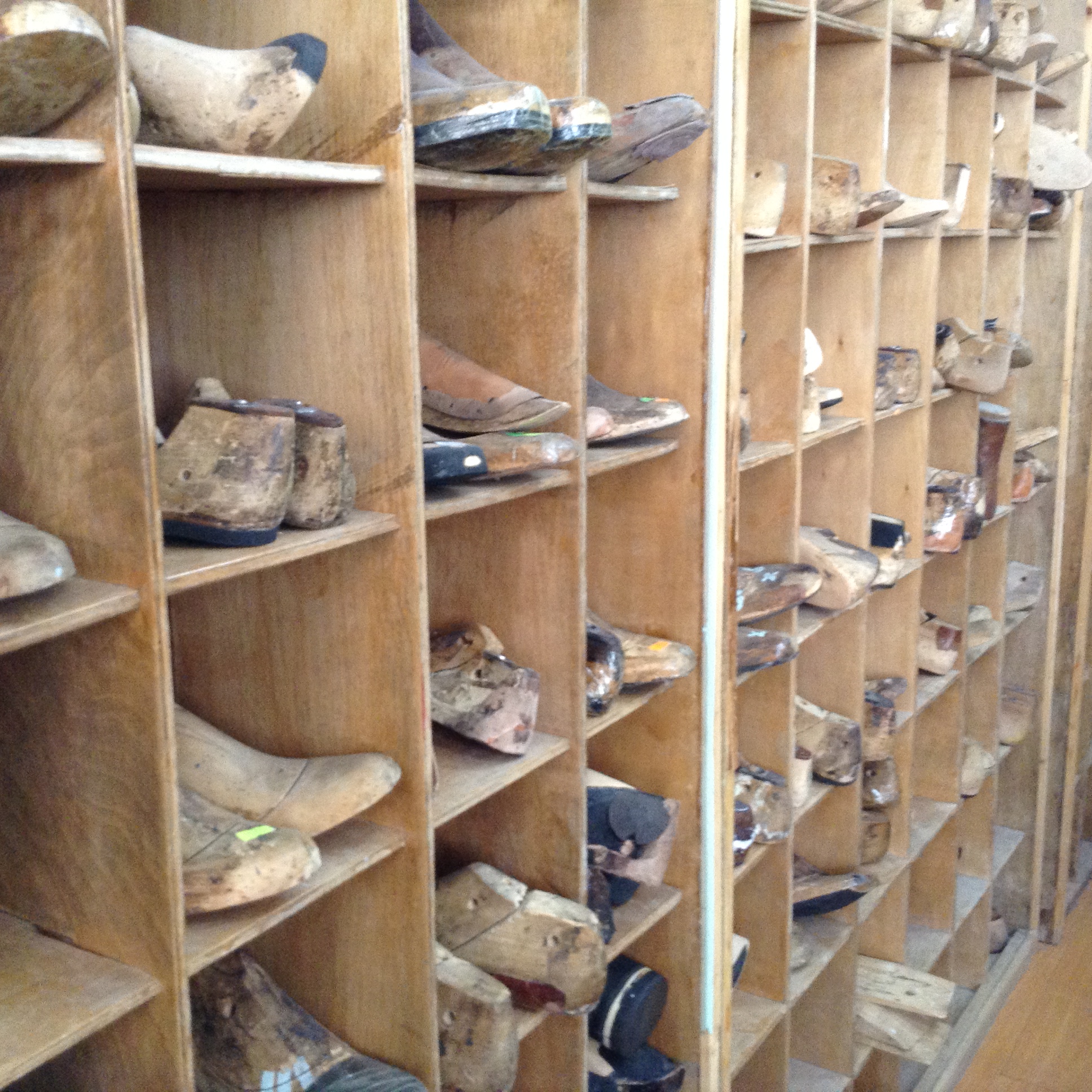
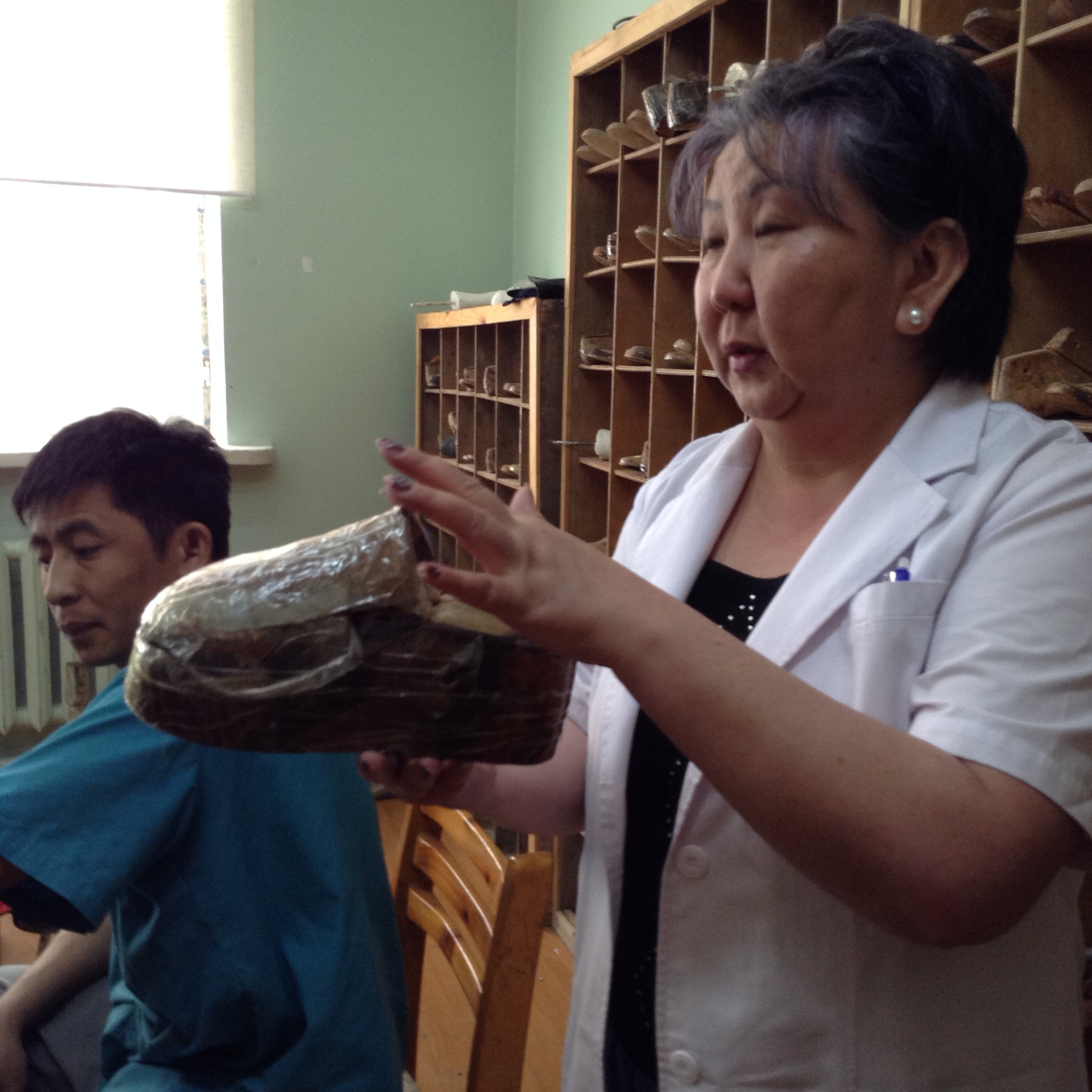
Mongolia has respectively looked to what used to be the USSR, then China, then UK, then USA, depending on the affinities (and university education) of the ruling elite for economic support and technical assistance. The rehab place was born during the USSR period, as was the part of the city where it is located. The lasts in the shoemakers’ workshop looked like antiquities; the hand tools of 50 years ago were still in use. Several of the large machines had broken down and local repair had been exhausted with critical parts no longer available. The mostly older staff had either been learning on the job with a few educated in the USSR. Most are about to retire and recognized that there are no young apprentices ready to take over. The place looked like a good use a few injections of modern technologies, training and young blood.

In the middle of the day Maggie and I were taken to the Channel 1 TV studio for a live broadcast on the ‘Right Now’ actualities program. We sat around a large table in a glass enclosed room in the center of the studio, with microphones clipped to our lapels. The doctor from the rehab hospital was with us and was, to our relief, the focus of the conversation as he had some messages to pass along to the audience. All this was done of course in Mongolian so we had no idea what he said, until suddenly we were questioned about international standards and the translator told us it was our turn. It was all over and done in no time, while I was still wondering whether we were on or just rehearsing the conversation.

It has been a challenge to operate in an environment where we are clueless about what people are saying. We also can’t read the Cyrillic script although my five years of ancient Greek helps a bit for the few letters the two languages have in common. There are only a few people who speak English so we are keeping a translator within arm’s reach.

In the land of Khan

I met up with my colleague Maggie who flew in from Dulles. Last time we flew together to Manila I was in a wheelchair – this time I was on foot like most other travelers and back to normalcy. We joined hundreds of other travelers to Ulaanbaatar (I can now spell the name correctly) in a plane that was bigger than the one who took me from the US to Korea. I can’t help but wonder what everyone is going to do in Mongolia. There were only a handful of people who looked like they came from Europe or the US, no Africans, the rest all from the region, at least originally. I can’t quite figure out what Mongolians look like but will do so today I presume.

The neon signs one sees when entering a city at night are Cyrillic, at least appear so to the untrained eye. Our taxi driver couldn’t tell me more as his English was limited to Hello. So I googled it and found this fascinating story at wikipedia. http://en.wikipedia.org/wiki/Mongolian_script
In the entrance to the hotel the pillars and walls were decorated with traditional script that looked more like vertical Arabic and Kufic. From this you can tell that there has been a lot of galloping in all directions to and from Mongolia.

The large neon sign at the airport welcomes one to the Ghinggis Khaan [sic] International Airport, in script I can read. We name our airports to recent statesmen in the US (Kennedy, Logan, Dulles, Reagan) but here the only true hero seems to be Mr. Khan. As I waited in the lobby for our check in I leaved a tourist brochure to see if we could see anything of this country other than the capital city. There are day tours to Mr. Khan’s legacy tomb, national parks and cultural events showing nomad life. All at considerable costs.

Entrance into the country was easy as pie – no visa required, fast moving lines, free wireless and clean toilets. The women’s bathroom included a tiny pedestal sink decorated with cartoon characters to allow children as small as Faro to wash their hands without being hoisted up by their moms. I have never seen anything like this anywhere in my travels, a public health message aimed at Mongolia’s youngest citizens?

My view from the room reminds me of Russian I last visited 40 years ago when it was still the USSR: large square buildings and empty wide avenues. But right across the street, in a rundown backyard of a medium rise apartment building is a yurt – I am really in Mongolia. The city lies in a shallow bowl surrounded by green hills devoid of trees, probably all hacked up for heating in the winter I suppose, and not replanted. I imagine it can get very cold here, we are very far north.

Connected

IMG_0578

IMG_0580

IMG_0581

IMG_0584

IMG_0587

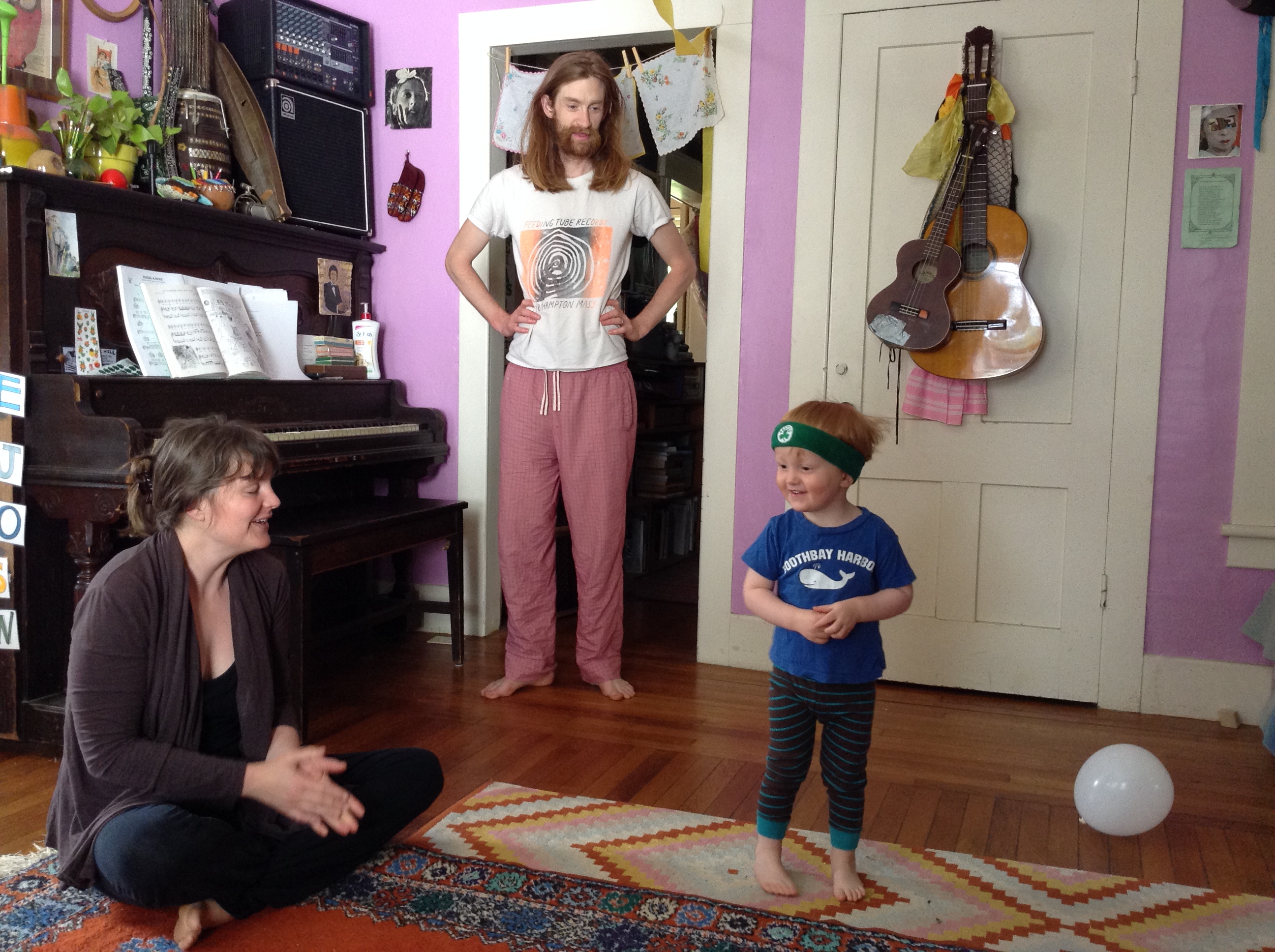
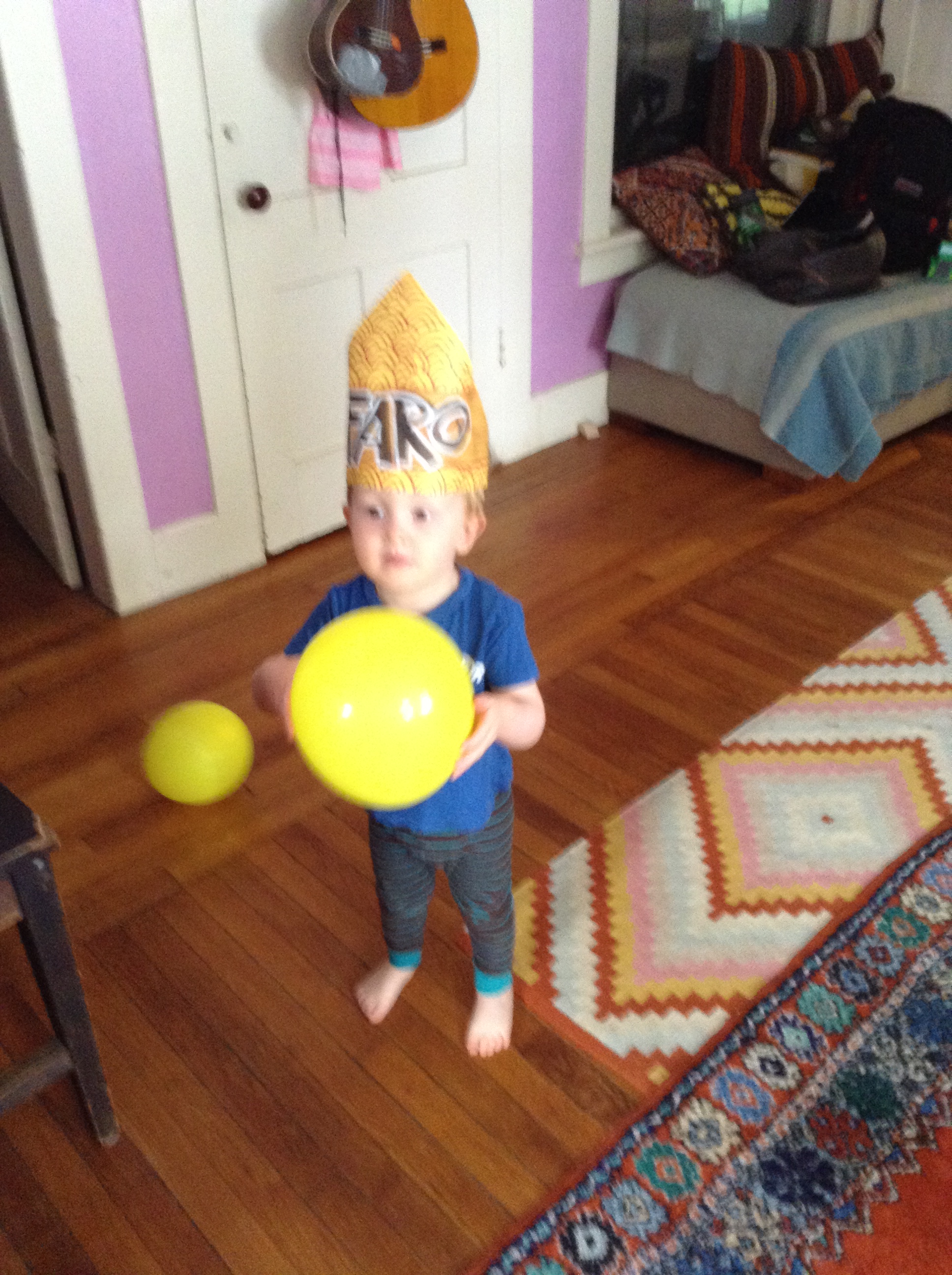
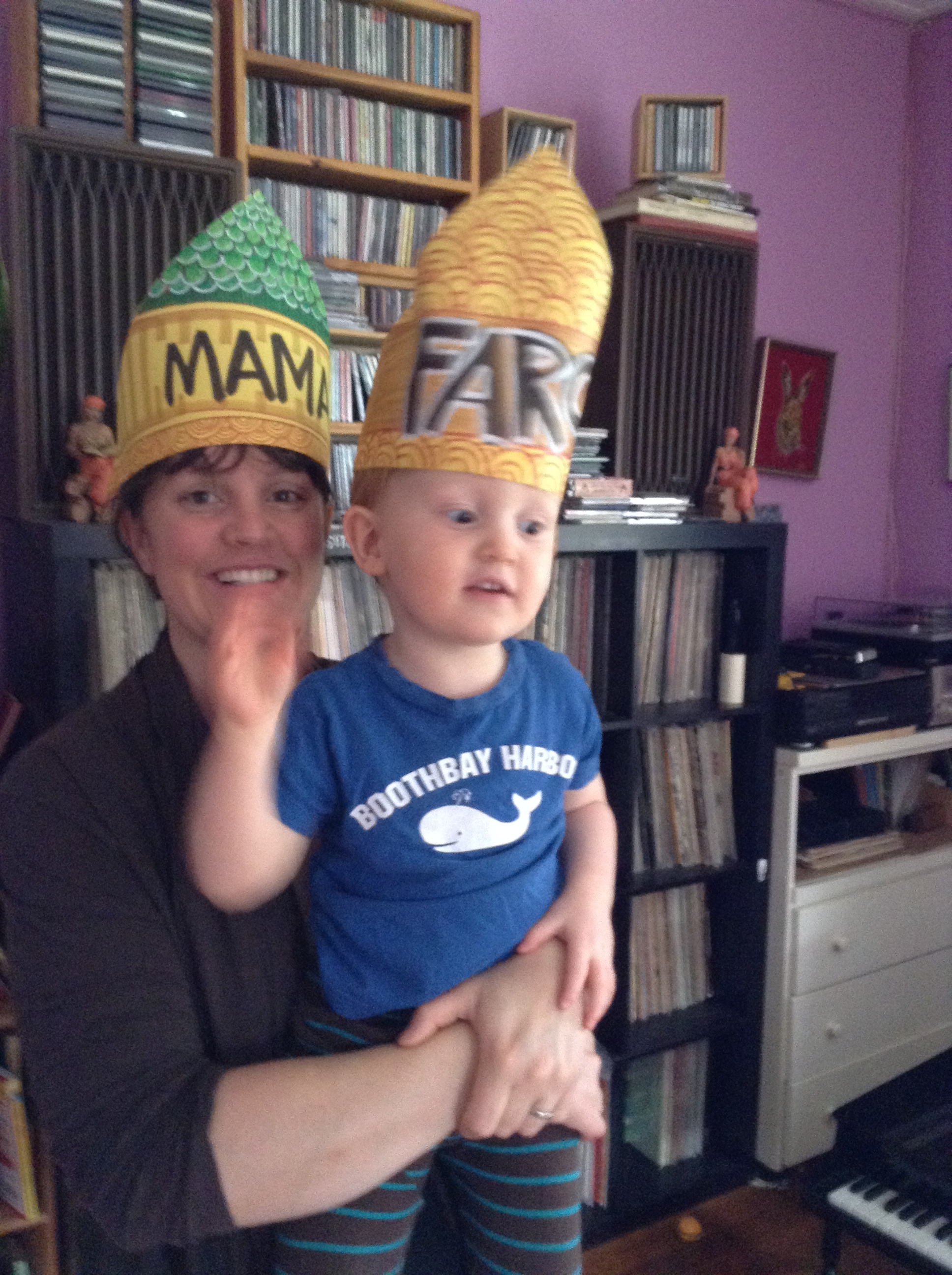
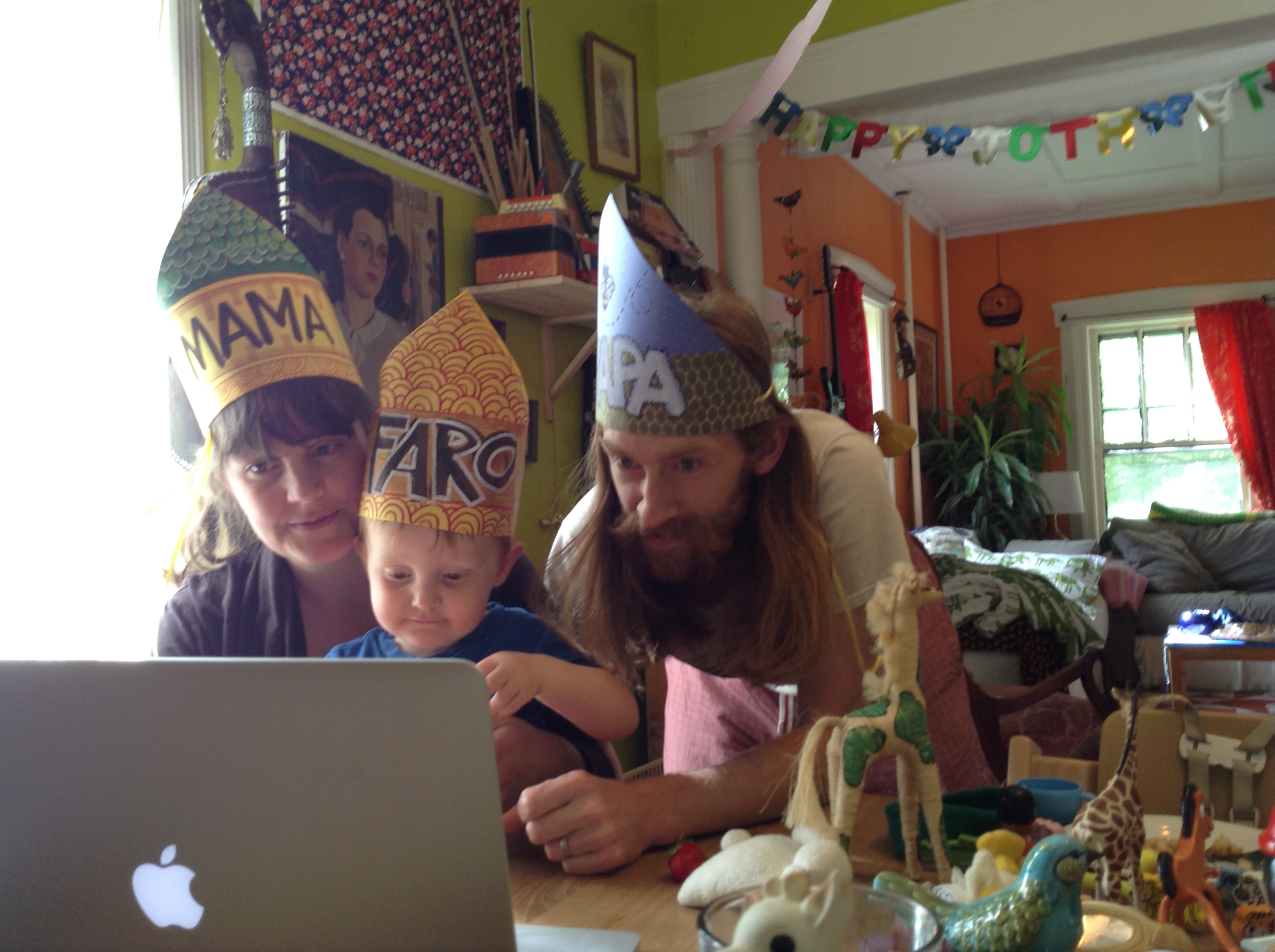
IMG_0591Like last year I congratulated Faro and his parents on his birthday but could not stay for the party the next day due to my travel schedule. Axel represented the Lobster Cove contingent/and Tessa Dorchester.

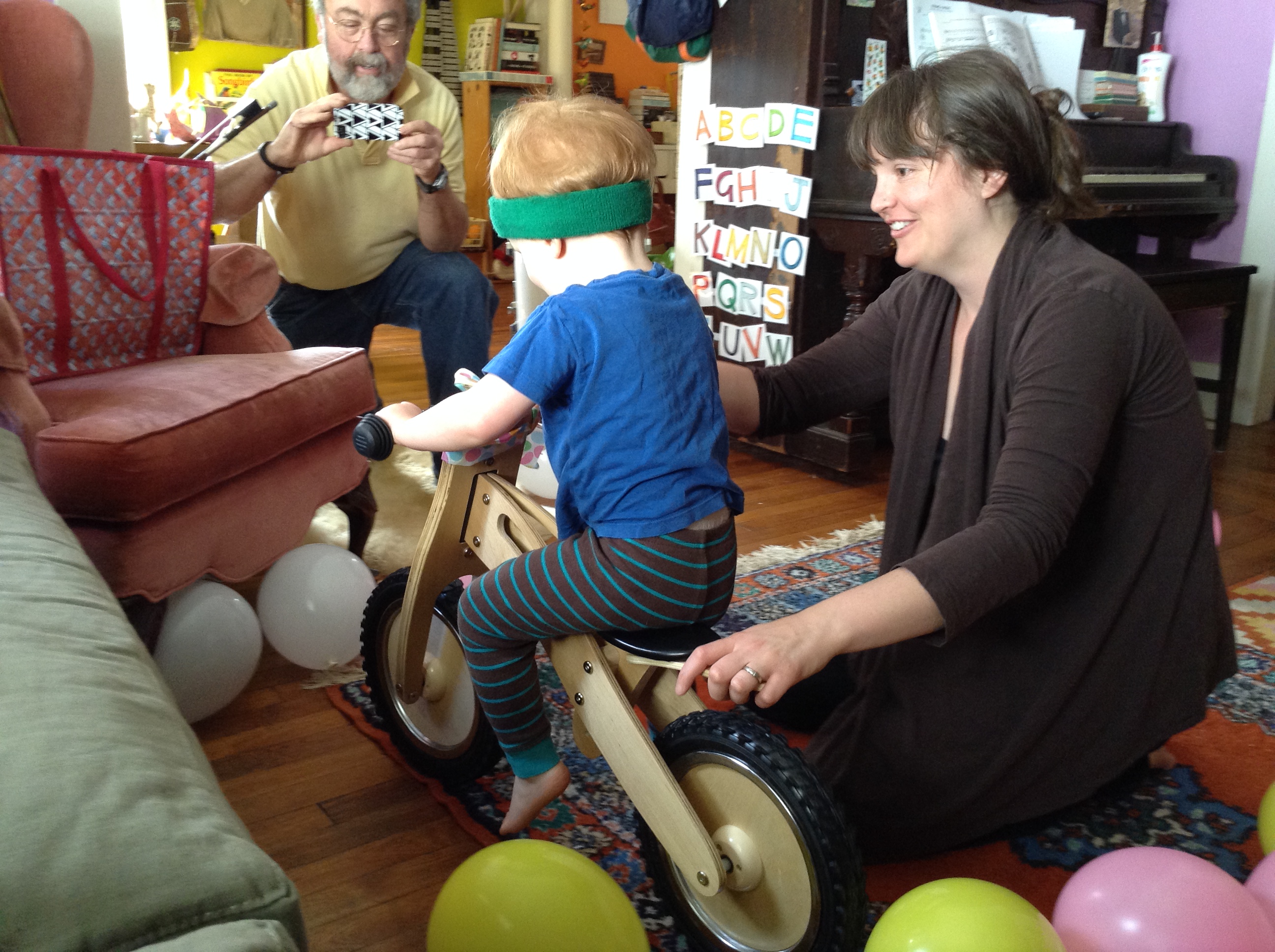
The tiny bike I had bought Faro was still too big as only one of his feet could reach the ground. He is apparently growing an inch a month so it won`t be long.

The advantage of being there on the birthday proper is that I didn`t have to share him with all the other grandparents, aunts and uncles. Axel and I had him all to ourselves. We played in the garden, took a miniature train ride in Look park and went out for dinner.

My departure was not as leisurely as we had planned. A last minute schedule change of my Delta flight to Korea guaranteed that I would miss my connecting flight to Mongolia. One hour of phone calls later we had to dash off to the airport to catch a much earlier flight to Chicago to connect to a Korean Airliner that would get me to Seoul in time for my connecting flight.

And now I am in Seoul, or Incheon to be precise. I am looking out over the tarmac, recharging myself and my devices. The 19 hours I have spent so far in planes and airports took a bite out of me.

The airport is connected to the world as one would expect in the land of Samsung, but also to its past. A royal procession was marching through the terminal with traditional drum/music coming from a tablet mounted on a little cart. The traditional costumes are both exquisite and strange, making me wonder how they came into being all these years ago. What were the designers thinking? They certainly were not designed for living.

Looking on, behind the travelers, were Charlie Brown and Hello Kitty, each with their own gift shop/cafe. As in Japan, cartoon characters are immensely popular, more popular than in the countries that created these two characters.

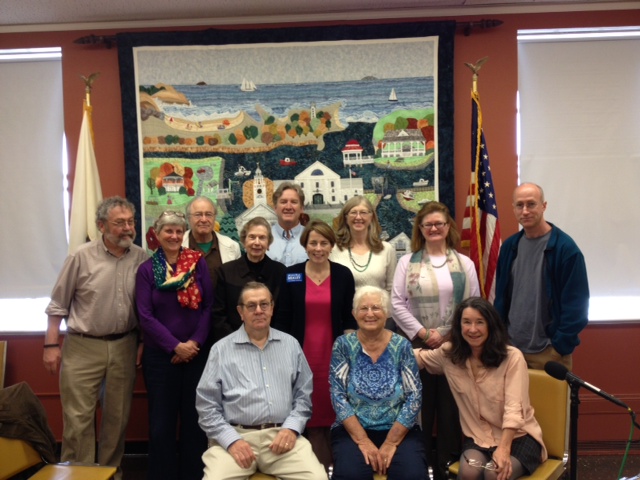
democracy_MBTSWe spent a beautiful Saturday morning sitting in a circle around 5 candidates for various high level state jobs (governor, lieutenant governor, treasurer, attorney general). Few people showed up so it was an intimate affair in which we could interact closely with the candidates, ask questions and observe them in action. It was worth giving up a morning that could have been spent planting and gardening. Up close the candidates were all impressive and believable, something flyers in the mail and TV ads don’t accomplish. Axel is an alternate delegate at the Democratic State convention a week from Saturday and so all the candidates are vying for delegate votes. They address him rather than me when they find out I am not a delegate, and we are inundated with dinner time calls from the candidates. You really have to want to do this campaigning, or at least put up with it, if you want to go into (elected) public service.

On Sunday morning my calendar alerted me that my vacation was to start in less than 18 hours. I didn’t need to be reminded. I have been trying to take a week off since March and this was the last chance to use vacation time that I would otherwise lose after June 30 when our fiscal year ends.

I am using my vacation to take care of a lot of domestic chores and wishes and have been puttering around the house. I also have been gardening, reading, knitting, and puzzling to my heart’s content. I am only checking email twice a day, primarily to make sure that my trip on Saturday is still on and preparations are under way in Kinshasa for my arrival and assignment.

Culture

Last night we reunited with friends who also travel and also know the USAID world. Sometimes we don’t see each other for months even though we don’t live that far apart. In our conversation the topic of how people in other countries see America came up; we all have stories about that. It reminded me of sitting with a group of Iraqis, at a time that bombings in Baghdad were common and planes spiraled into the airport to avoid hits. We were in the lobby of the Marriott hotel in Amman and I skyped with Axel in Manchester. The Iraqis crowded around me and questioned Axel about the danger of living in America. It was such a contradiction and showed, once again, that was is unknown is dangerous, an old reflex probably form the stone ages.

The soap opera Dallas did much to export the notion that America is all about sex and money, greed and aggression. We could think of many instances where sex and money were the main themes in conversations with foreigners (beyond Europe) when we talked about America.

I was one of those people once who only knew about America from second hand sources. In my young age America and China were the two exotic places I dreamed of visiting. I knew America from the weekly Donald Duck cartoon that my family subscribed to and which was the focus of a bicycle race home between my brother and I. He always won so I had to wait until he finished. It is from this that I learned a few things about America:

• The front door leads straight into the living room (no halls)
• The mailbox sits on a stick by the road
• There are yellow buses that take kids from home to school and back
• Boys wear little caps (I later learned were called beanies)
• It is a place full of inventors, odd balls and rich people (in Dutch they were called respectively Willie Wortel (William Carrot) the mishap-prone inventor, Goofy (pronounced khowfie)the oddball and Dagobert Duck (Uncle Scrooge).

When I finally made my first visit to the US in 1973 I often said, “wow, it is just like in [the] Donald Duck!” So that is how America was exporting its culture then. Movies did the rest, and McDonalds and Dunkin Donuts of course. And now much of the world is homogenizing or already homogenized (I am thinking of Manila) to a culture that America can no longer call its own. I am sure I will find it in Ulaanbator too.

Around the world

I have been busy this week adding things to and scratching others off my to do list before my next trip which will take me from Boston westwards to Korea and then Mongolia and then further west to Moscow, Paris, then south to the Democratic Republic of the Congo and then back home.

It took us several weeks to get the itinerary right and within budget limits. This was no small feat and the travel agent and I got very chummy. And then just when we got me routed back via Nairobi and Amsterdam because Air France doesn’t fly daily to and from Kinshasa, our security people put a stop on all Nairobi flights. And so I leave a day earlier than planned which hopefully no one minds.

The Mongolia trip is a repeat of the Philippines sequence of events although I am sure the context is quite different. For one, we will need to work with translators and secondly, I can’t even pronounce the currency. The good thing is that it is Asia which holds the promise of some wicked good and inexpensive massages and having my Filipino toe nails redone.

After Mongolia I have to take a deep breath and plunge into long stretches of flying and waiting: 7 hours to Moscow, 5 hours waiting, 4 hours flying, 8 hours waiting, 7 hours flying and then unknown hours in a car before I can crawl into a real bed, hopefully, in Kinshasa. After that I will request a medal.

Memorial, memories and imagery

Memorial Day came and went. The saturday before did the usual honoring of the ancestors – cleaning the graves, planting geraniums and then a toast and some spilling of some strong liquor – Dutch old genever this time instead of Vodka. We want to create some variety in their afterlife. And as usual the elder Axel and his wife Alice (Axel’s grandparents who I only know from stories) would disapprove, teetotalers as they were. Diane whose house adjoins the cemetery joined us, also as usual, for part of the proceedings and regaled us with stories about some of the people resting alongside Axel’s ancestors who have become mine too, by marriage.

Memorial Day itself is all about rituals as well. The dropping of flowers in the ocean, the march to the cemetery, the speeches and recitings, the taps, the roll call, the high school band and the greetings of people whose names I forget every year. Everyone knows Axel and he knows everyone. He is a local kid and it shows.

The minister gave a nice speech full of metaphors that resonated with me, such as kindling embers. I can’t remember the context but the imagery was wonderful.

Dismissed and moving on

Six months after my ankle operation I made my last visit to the orthopedic surgeon. It took me two hours in traffic to arrive at his office. I had an Xray done, waited a bit and then saw him for about 5 minutes. He wiggled my ankle, said ‘congratulations’ and then I was done. For this I sat 2 hours in traffic and the doctor billed 350 dollars. This is what is wrong with the American Healthcare system. If I had been responsible for the whole amount rather than my 15 dollar co-pay, I would have forgone this useless visit.

And so I am now dismissed from his care. I am 75 percent there, he said, with the remaining recovery requiring another 6 months; one year in total, was what I was told when I signed up for the ankle fusion. It’s pretty good right now so another 25% seems like a bonus. If you saw me walking you wouldn’t have guessed I had an operation 6 months ago. It was a good decision.

I am back at work, managing the in-between-trips period to take care of wrapping up the last trip and preparing for the next. The travel is not letting up although I am not complaining – these are interesting assignments that let me be creative and make new connections: another trip with wheelchair service providers, this time to Mongolia, and an effort to get our colleagues in the Democratic Republic of Congo to become a learning organization. Some of this is chartered and some of it unchartered territory – a perfect combination. I have never been to either one of these places and I am looking forward to them. Axel does not and I don’t blame him – it’s a choice between sitting at a desk in Medford and exploring the world for me; for him it is me at home or being by himself. It is an uneven arrangement and will stay that way for a while.

Longevity

Every year around May 15 I put one year of writing to bed and start a new document, called blog_May 2014-2015. This is a bit like December 31, a time of looking back and reflection. I do re-read some of last year’s writing.

Sita, Jim and Faro are over for our belated annual Easter Party. This is the first time in 30 years that we don’t have a hunt with people combing our land for small brown bags with their name on it and Easter candy inside. My travel schedule got in the way and now the Easter candy is gone. So we have to think of something else. We had some ideas but I was am still in recovery from a long and intense trip and low on energy. We will think about it over the next year, some sort of treasure hunt – holding on to the hunt part but not the part of the bad quality candy.

This morning I followed Faro to the beach. It is one of his favorite places when he comes to see us. He is like an ant, circling back and forth, stopping from time to time to pick up a rock. Having only two hands is a dilemma. You can see his little brain work hard when he spots an interesting stone among the thousands available to him. Both his hands are full, so one has to let go of its stone in order to make place for the new one. He could go on for hours like that. This is indeed the perfect young explorer’s beach. His beachcombing (for rocks only, seaweed and sea gulls are briefly observed but of less interest at the moment) is interrupted by his parents’ ritual trip to the Atomic Café in Beverly for their daily latte. Faro has accepted this as part of life – going to get papa’s latte – he comments matter of factly, as if he was the indulgent parent.

He is now wearing his mom’s sneakers, the first real sneakers I bought when she was 2 years old and getting used to living in Brooklyn. I remember buying the tiny blue sneakers at Zayre’s, a chain that no longer exists. I don’t think they cost more than 5 dollars and here they are, still serviceable after 30 years. Now that is quality. He also wears the Abdou Diouf tee-shirt that Sita received in Senegal after the longtime president Senghor made way for his successor Abdou Diouf in 1981. The tee-shirt no longer has its vivid Senegalese colors and the photo is a bit greyed out but the material is in good shape after all these years.


September 2026
M T W T F S S
 123456
78910111213
14151617181920
21222324252627
282930  

Categories

Blog Stats

  • 144,230 hits

Recent Comments

Olya's avatarOlya on Pocket rollers
Edith Maxwell's avatarEdith Maxwell on Boosted out
Sallie Craig Huber's avatarSallie Craig Huber on Rays for real
Lucy's avatarLucy on Probabilities
Olya's avatarOlya on Cuts

Enter your email address to follow this blog and receive notifications of new posts by email.

Join 78 other subscribers