Posts Tagged 'Mongolia'


Roots, weather and eyeballs

I tried to explain to our new (and third) translator where the word ‘stakeholder’ comes from. When I try to do this an illustration from one of the Amelia Bedelia books which I read to our girls when they were young, pops into my head. Amelia, who takes every word and command from her mistress quite literally was asked to ‘stake the tomatoes.’ When the mistress came home each tomato plant was attached to a piece of steak. The illustration was priceless.

We use the word stakeholder all the time and often quite mindlessly as the meaning is well understood in English. But things get tricky in another language. I have learned from my work in French that an inquiry into the linguistic roots of a word can sometimes be helpful to get the right translation. It occurred to me that in a country of nomads, the meaning of ‘holding a stake’ may be hard to grasp. I was right. Staking a claim is not quite the same here as I imagine it was among the early American pioneers and gold diggers.

As part of the inquiry we learned about traditional nomadic life where the ‘claims’ to one’s dwelling (or rather moving stock) is entirely determined by the season and the prevailing winds. Knowing what it feels like to have Canadian weather fly in from across the large and cold landmass of our northern neighbor, I could only barely imagine what weather comes in from the vast steppes and deserts surrounding Mongolia. This must make for some wicked weather. Claiming a stake against marauders may well be of little use when the worst enemy is the weather.

The stodgy hotel we visited yesterday had an annex hotel somewhere in the countryside (this is what people call anything that is not Ulaanbataar) that consisted entirely of yurts and a golf course. The yurts are covered by a greyish thick cloth with the wooden structure only visible from the inside. There is a small chance that we get invited to someone’s 2nd home in the country, which would be a yurt and would require an overnight. Maggie is worried about this as someone who worked here told her that guests are treated to the best part of the goat or beef, the eyeballs. We are working on a strategy, just in case. I once ate eyeballs and freshly harvested intestines, still filled, in Yemen and remember the popping and spilling of the eye’s content in my mouth, but there the memory stops.

Noodling our way forward

Our main counterpart is a bit like a butterfly. He is also a bit like a New Yorker. The butterfly part refers to his tendency to never sit down anyplace for long and the New Yorker part is about walking very fast. We always seem to chase him. In his building, where the current workshop and the first one next week take place, this means we are walking up and down the stairs a lot. This may well be a good thing because the hotel is connected to a mall with a supermarket where they sell a lot of chocolate and other sweet things. They also sell hard liquor, especially Vodka, which comes in a great variety of brands and qualities. You can tell the Russians were here.

On Tuesday morning we arrived early at the workshop with the two facilitators who are working very hard these days. We didn’t see our counterpart until late in the morning and, without internet connection, there as little else to do than watching the training and the videos. I don’t mind seeing the videos again and again. They are very inspirational and instructive. The majority of the participants are wheelchair users themselves. Many bussed in from the country side and are neither health nor wheelchair professionals. They are sitting in ill-fitting and inappropriate wheelchairs and many have accepted the presence of pressure sores as unavoidable. The concepts of fitting wheelchairs to the users’ needs and the strategies to avoid pressure sores are entirely new for them. Although these concepts were also new to the providers we worked with in the Philippine, it feels like so much more advanced in comparison to what we have here. At least there is a large cadre of health professionals who can be mobilized for the cause – here, the few abled hospital staff had to shut down their services for the duration of the course as there are no others to fill in.

Maggie and my job this week consists of checking on arrangements for next week’s stakeholder meeting. Maggie’s focus is on the administrative and logistical aspects, something she does extremely well and with grace, given that she has been doing this checking for months now, and mine is on content and process. This week our major goal is to get the invitations out of the door and to the right people.

The invitations require an agenda of course. We gave one that was modeled after the Philippines event. At least we know that this design works ; it is the best we can do in the absence of any meaningful talk with key stakeholders which should, ordinarily, shape the agenda. We are making some educated guesses. Tomorrow we will meet with the Secretary of the one of the two key ministries involved in serving people with disabilities here in Mongolia.

We also checked the venue for the stakeholder meeting which will be in a hotel rather than the hospital where the other events are taking place. It is an oversized square of a building that reeks of old Soviet glory and self-importance. To us it felt stiff and unwelcoming. The friendly staff at the reception were given the difficult job to undo that first impression. They did well but the banquet lady was someone you don’t want to tangle with, brusque and no nonsense, uttering short sentences, mostly limited to yes and no. We saw the room, tried for a larger size and round tables, were told no and resigned ourselves to make do, assuming (and secretly hoping) that some of the invitations will come too late and not everyone invited will show up.

The lowest hotel floors are occupied by stores selling winter clothes, nice, and probably expensive, clearly aimed at a clientele that has to put up with poorly heated buildings during the long harsh winter. We did one feeble attempt to locate flipchart paper (the hotel has easels but no paper if we understood the banquet lady correctly) and were pointed to a building across a busy artery. No one spoke English. we pointed at printing paper and indicated large or roll with our hands but the staff looked at us with pity and shook their heads. We poked around in corners hoping to find what we needed to no avail.

Maggie and I parted company in taxis, me to return to the hotel to try an internet (webex) experiment (a workshop on coaching) with my colleagues in Abidjan, Maggie to dispense the per diem to the current workshop participants.

Back at the Ramada I visited the Maxall Mall’s foodcourt which is adjacent to the hotel’s restaurant in the hope to get a sushi take out dinner. Alas, the rice wasn’t cooked and I couldn’t wait. I descended to the basement supermarket to buy a noodle-in-a-cup meal. The selection was very difficult. There were countless variants, occupying nearly an entire aisle. None of the labels were in script I could read (Chinese, Japanese, Korean or Mongolian). I had to base my selection on the pictures on the wrappers – which had little to do with the dried contents. I went for Kimchi flavor but I suspect that they are basically all the same, no matter what the picture promised.

While on my 5 hour conference call I washed away the spicy Kimchi noodles with local beer. It only comes in large sizes and is best drunk very cold, reminding me of Budweiser which is sold here in (also large) bottles and apparently quite popular.
Immersion

IMG_0597.JPG (2)

IMG_0602.JPG (2)

IMG_0605.JPG (2)

IMG_0607.JPG (2)After checking out the quality of the internet connection by skyping with Axel who was just starting the day (it was excellent) I tumbled into my big comfy king size bed and fell into a bottomless sleep for about 5 hours. This may not seem long but it was at least 3 hours longer than my sleep during the previous 24 hours. I woke up to an empty city which, I learned later, is because life starts late. As the day grew older more and more people and cars and busses appeared until total gridlock at about 6 PM.

We joined our physical therapists trainers in the hotel lobby. They had arrived last week from the Philippines and India and started the basic wheelchair training today. We joined them for the opening and got to sit at the table with high level officials. Maggie gave the speech which she does well and succinctly so everyone can get on with the work.

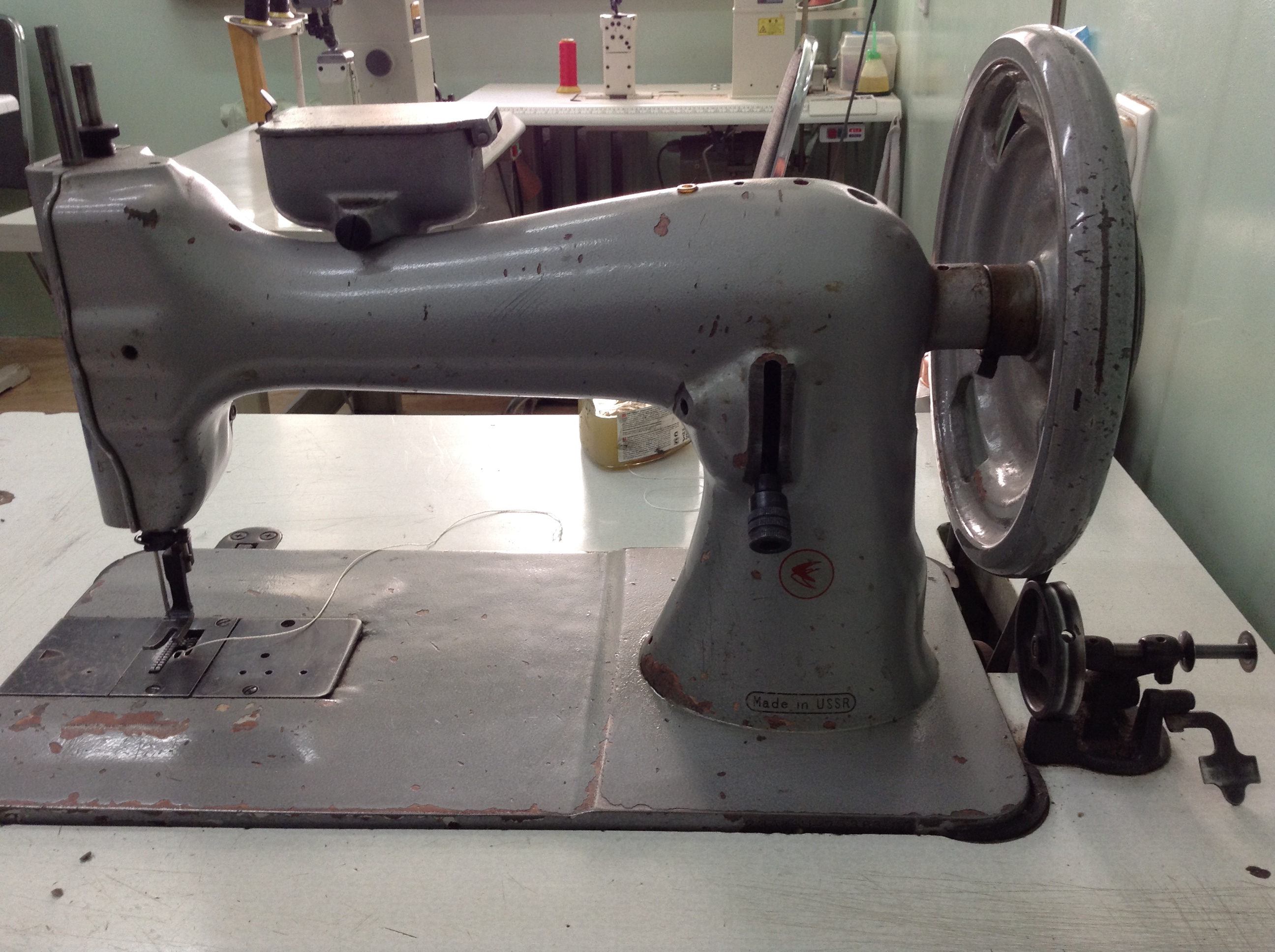
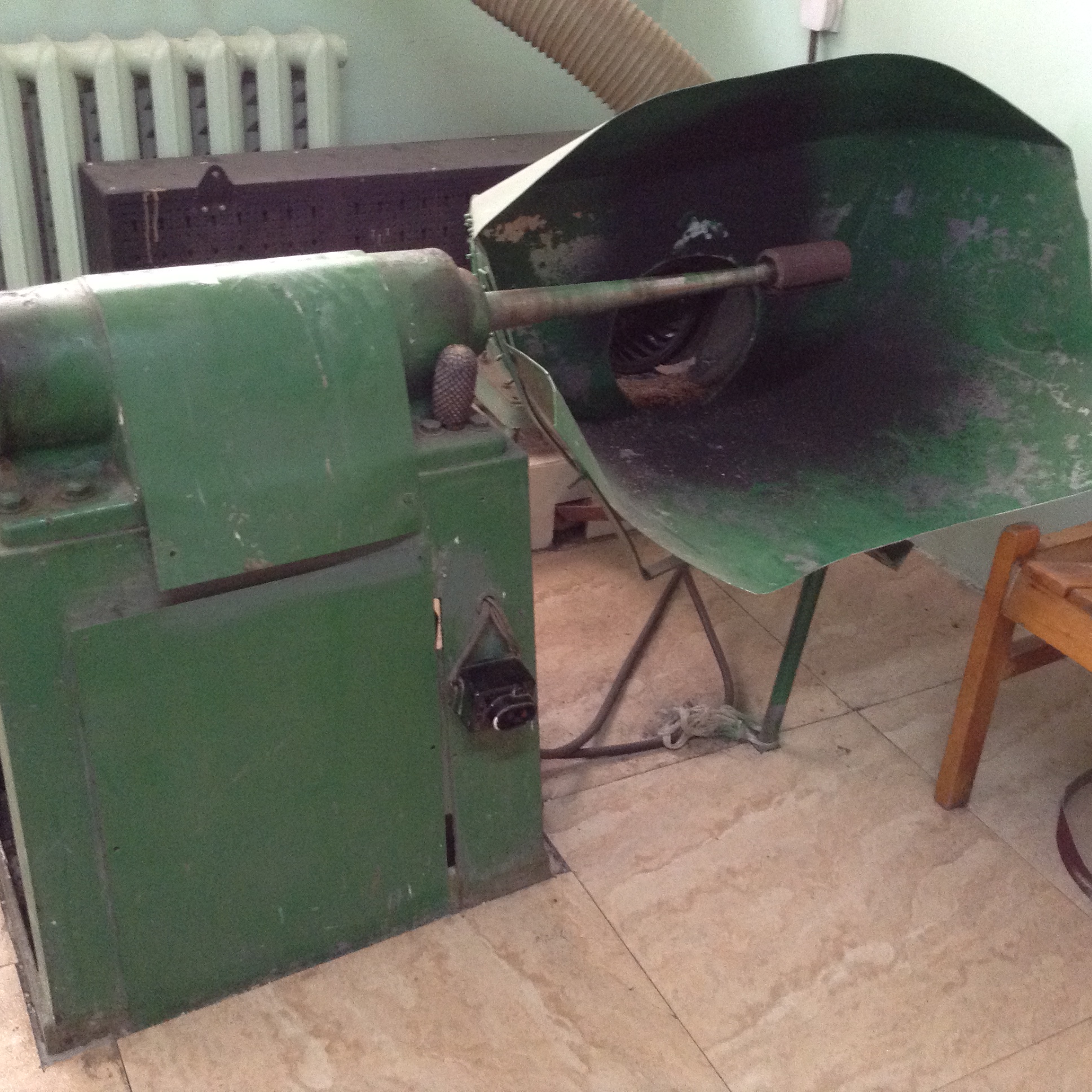
During the morning we received a complete tour of the National Rehabilitation and Development Center which included a 30 bed rehab hospital, full physical, occupational and speech therapy services, a vocational school for people with disabilities, training them in one year to become gainfully employed in a variety of occupations (tailoring, plant care, cooking, computer repair, software applications, and handicrafts). In the afternoon we continued the tour of the orthopedic devices workshops where enormous ‘made in the USSR’ machinery was bolted to the ground. They looked like (and probably were) relics from the industrial revolution.

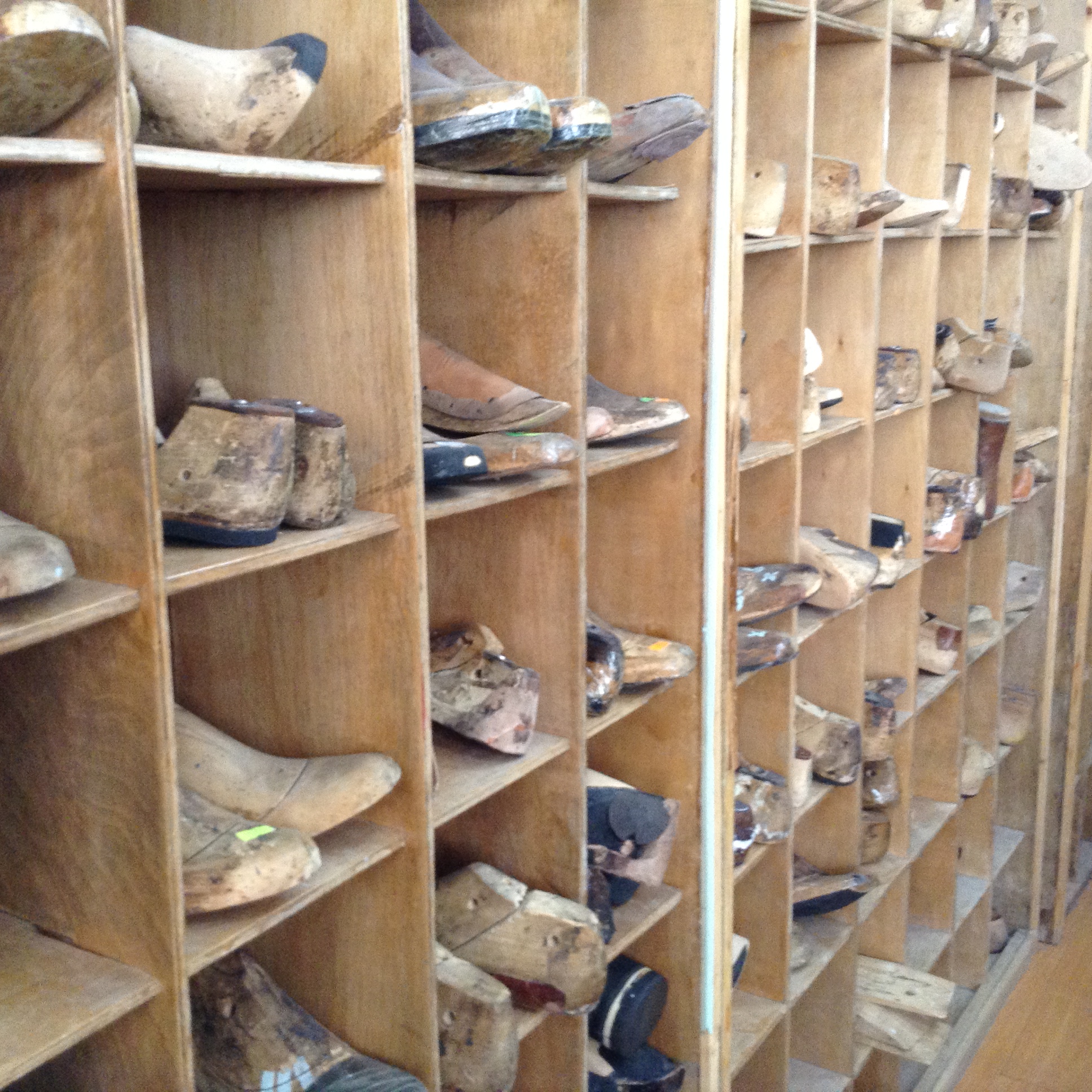
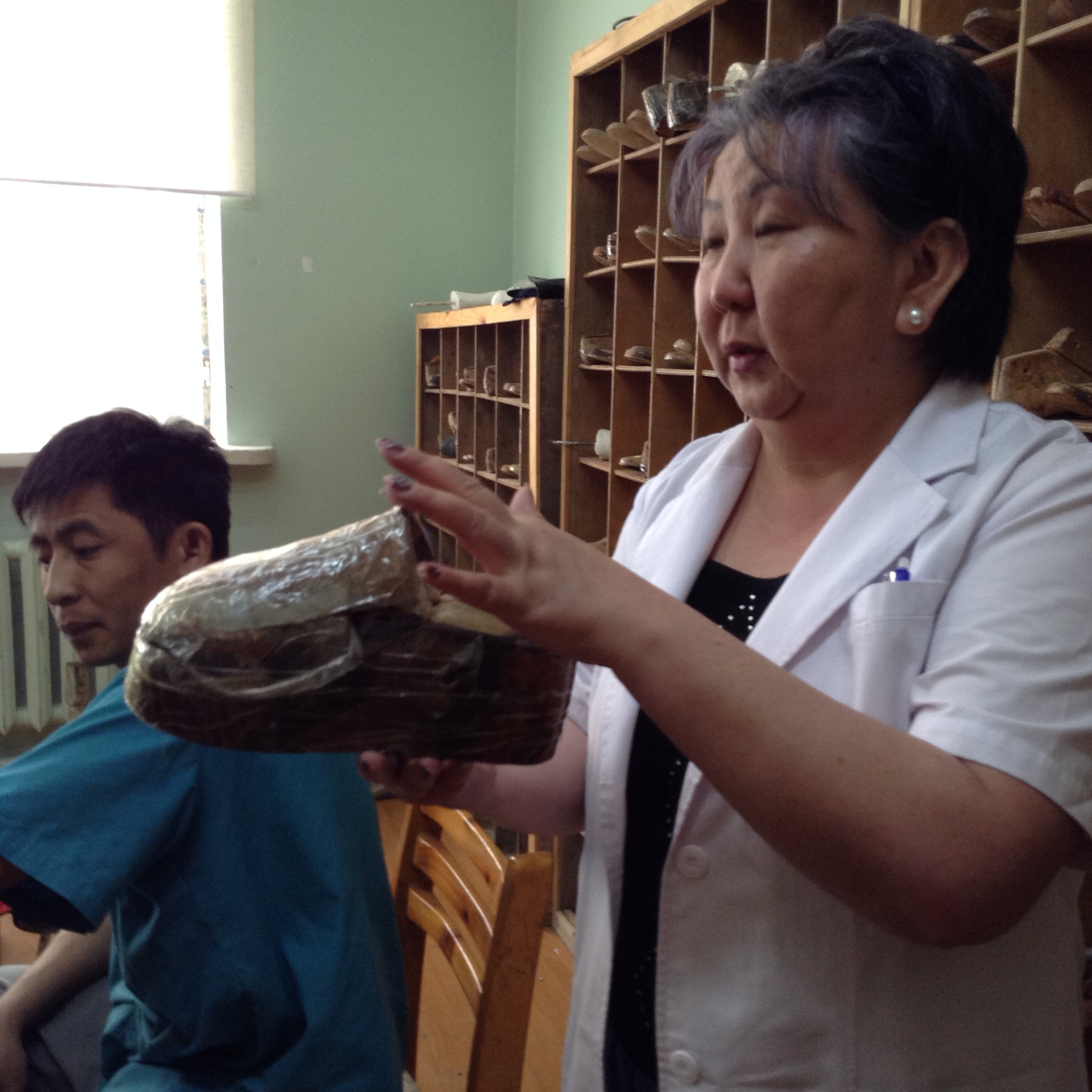
Mongolia has respectively looked to what used to be the USSR, then China, then UK, then USA, depending on the affinities (and university education) of the ruling elite for economic support and technical assistance. The rehab place was born during the USSR period, as was the part of the city where it is located. The lasts in the shoemakers’ workshop looked like antiquities; the hand tools of 50 years ago were still in use. Several of the large machines had broken down and local repair had been exhausted with critical parts no longer available. The mostly older staff had either been learning on the job with a few educated in the USSR. Most are about to retire and recognized that there are no young apprentices ready to take over. The place looked like a good use a few injections of modern technologies, training and young blood.

In the middle of the day Maggie and I were taken to the Channel 1 TV studio for a live broadcast on the ‘Right Now’ actualities program. We sat around a large table in a glass enclosed room in the center of the studio, with microphones clipped to our lapels. The doctor from the rehab hospital was with us and was, to our relief, the focus of the conversation as he had some messages to pass along to the audience. All this was done of course in Mongolian so we had no idea what he said, until suddenly we were questioned about international standards and the translator told us it was our turn. It was all over and done in no time, while I was still wondering whether we were on or just rehearsing the conversation.

It has been a challenge to operate in an environment where we are clueless about what people are saying. We also can’t read the Cyrillic script although my five years of ancient Greek helps a bit for the few letters the two languages have in common. There are only a few people who speak English so we are keeping a translator within arm’s reach.

In the land of Khan

I met up with my colleague Maggie who flew in from Dulles. Last time we flew together to Manila I was in a wheelchair – this time I was on foot like most other travelers and back to normalcy. We joined hundreds of other travelers to Ulaanbaatar (I can now spell the name correctly) in a plane that was bigger than the one who took me from the US to Korea. I can’t help but wonder what everyone is going to do in Mongolia. There were only a handful of people who looked like they came from Europe or the US, no Africans, the rest all from the region, at least originally. I can’t quite figure out what Mongolians look like but will do so today I presume.

The neon signs one sees when entering a city at night are Cyrillic, at least appear so to the untrained eye. Our taxi driver couldn’t tell me more as his English was limited to Hello. So I googled it and found this fascinating story at wikipedia. http://en.wikipedia.org/wiki/Mongolian_script
In the entrance to the hotel the pillars and walls were decorated with traditional script that looked more like vertical Arabic and Kufic. From this you can tell that there has been a lot of galloping in all directions to and from Mongolia.

The large neon sign at the airport welcomes one to the Ghinggis Khaan [sic] International Airport, in script I can read. We name our airports to recent statesmen in the US (Kennedy, Logan, Dulles, Reagan) but here the only true hero seems to be Mr. Khan. As I waited in the lobby for our check in I leaved a tourist brochure to see if we could see anything of this country other than the capital city. There are day tours to Mr. Khan’s legacy tomb, national parks and cultural events showing nomad life. All at considerable costs.

Entrance into the country was easy as pie – no visa required, fast moving lines, free wireless and clean toilets. The women’s bathroom included a tiny pedestal sink decorated with cartoon characters to allow children as small as Faro to wash their hands without being hoisted up by their moms. I have never seen anything like this anywhere in my travels, a public health message aimed at Mongolia’s youngest citizens?

My view from the room reminds me of Russian I last visited 40 years ago when it was still the USSR: large square buildings and empty wide avenues. But right across the street, in a rundown backyard of a medium rise apartment building is a yurt – I am really in Mongolia. The city lies in a shallow bowl surrounded by green hills devoid of trees, probably all hacked up for heating in the winter I suppose, and not replanted. I imagine it can get very cold here, we are very far north.


December 2025
M T W T F S S
1234567
891011121314
15161718192021
22232425262728
293031  

Categories

Blog Stats

  • 136,984 hits

Enter your email address to follow this blog and receive notifications of new posts by email.

Join 76 other subscribers